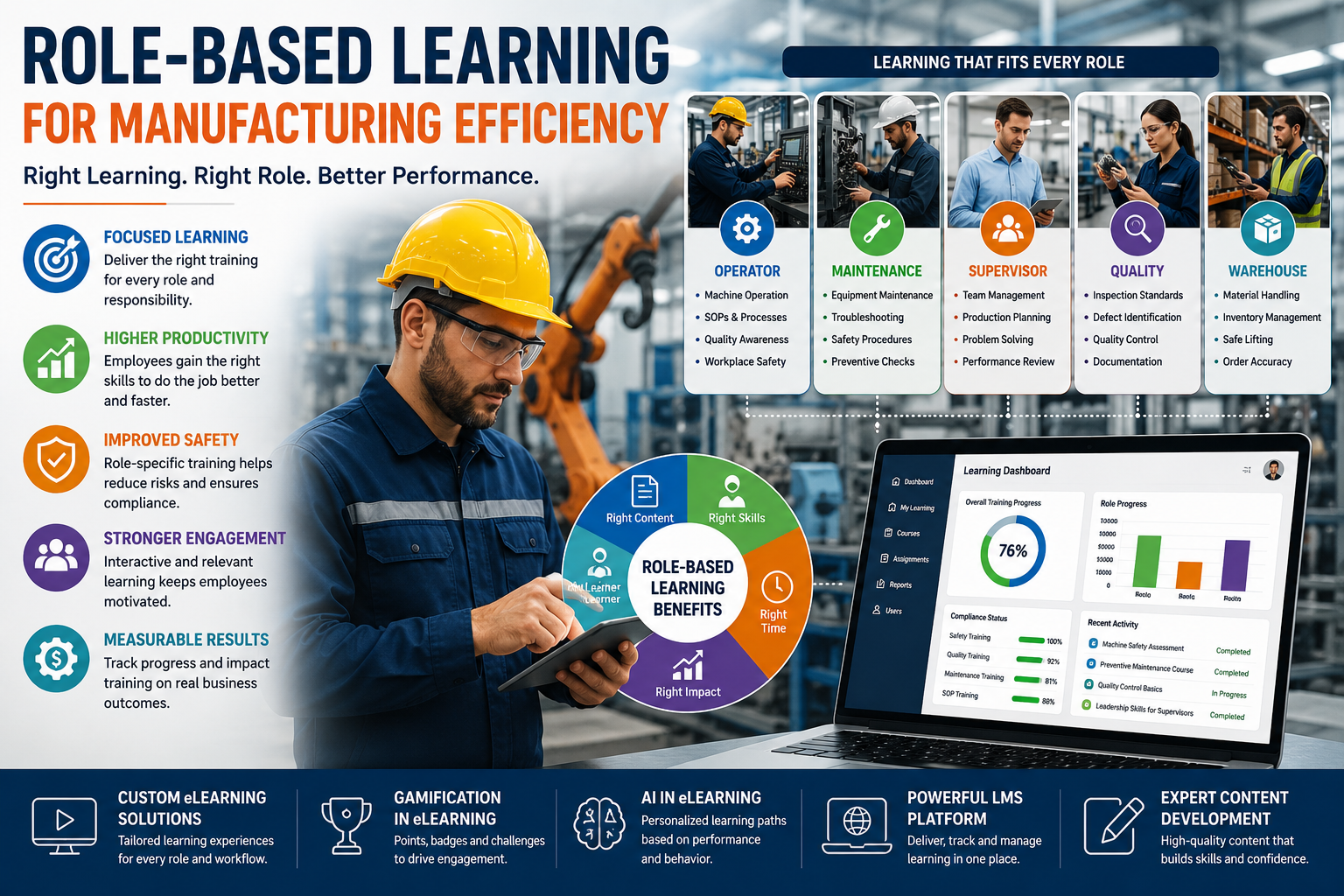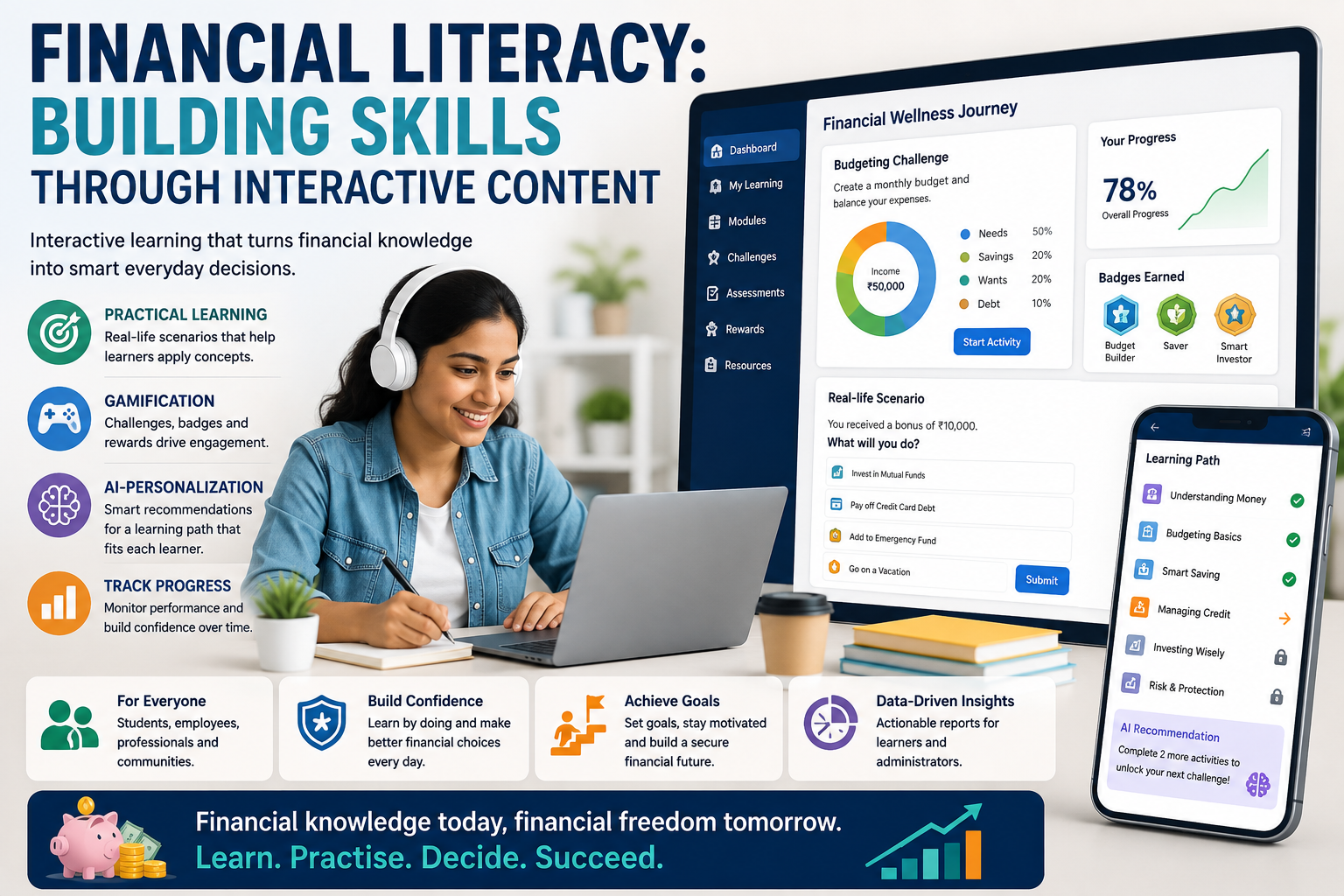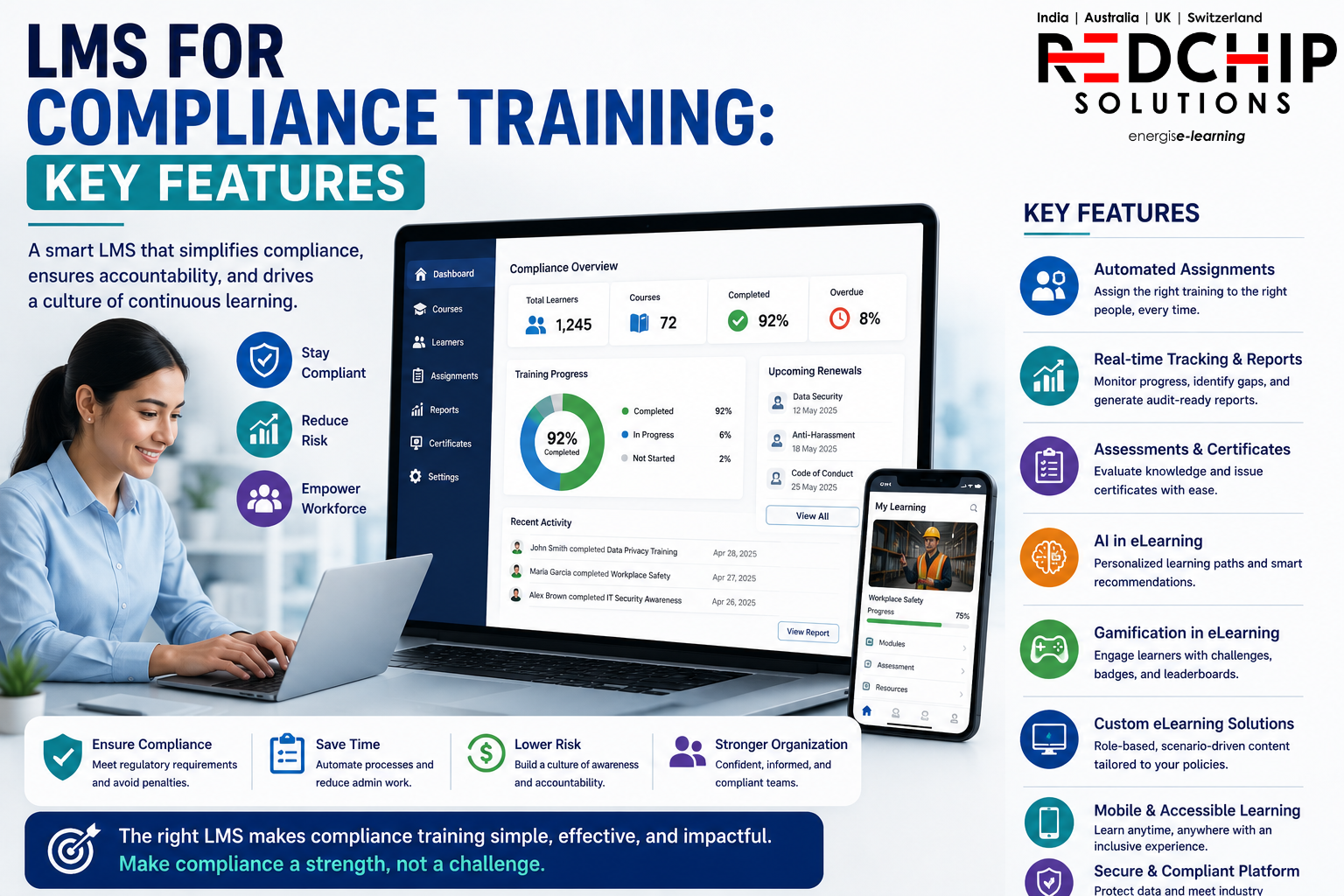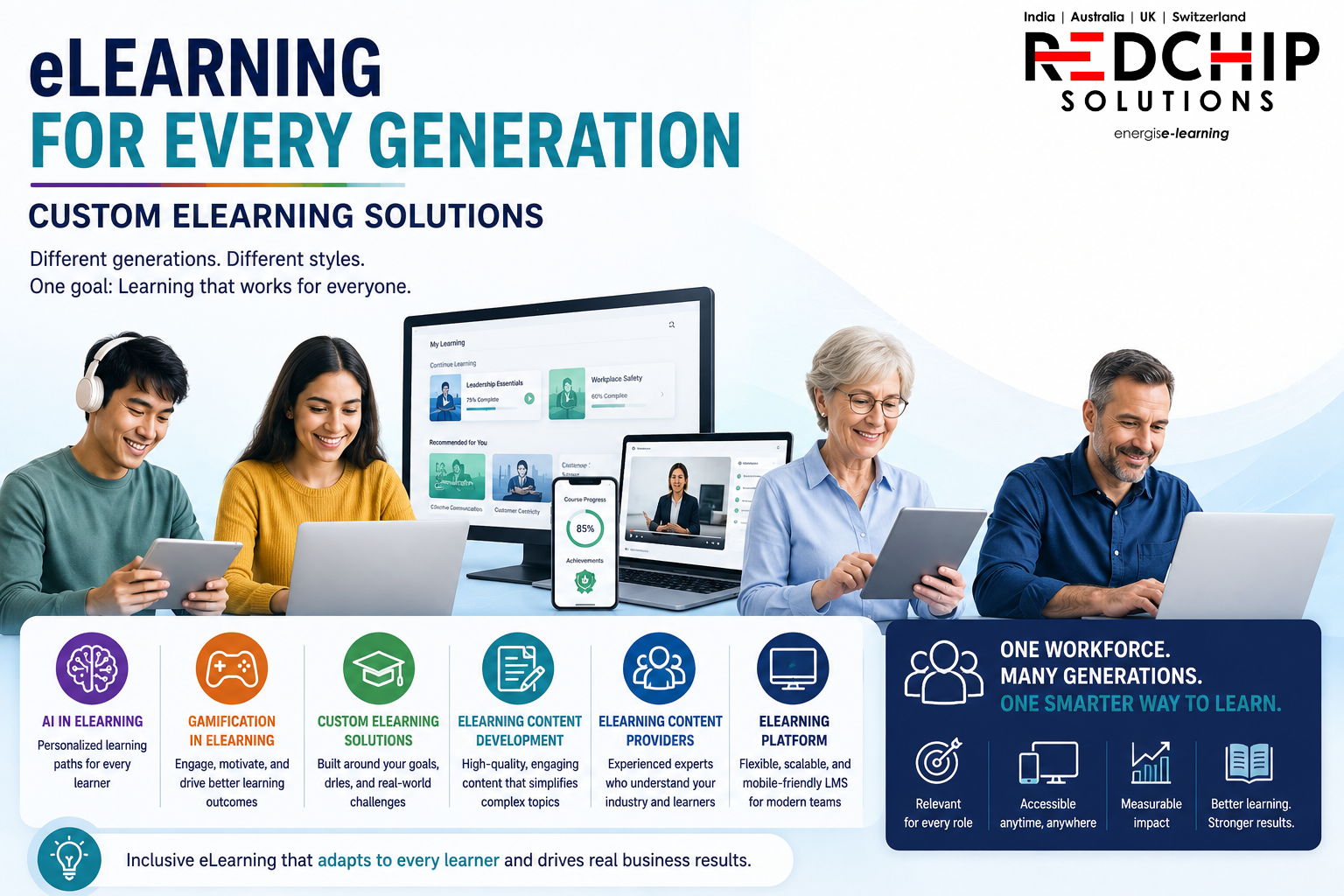


Large enterprises depend on strong enterprise LMS implementation to deliver training that is scalable, accurate, and simple to manage. With custom eLearning solutions, structured eLearning content development, and clear eLearning course development, companies can train large teams efficiently. A modern eLearning platform also strengthens corporate training solutions, blended learning solutions, and consistent tracking across corporate learning programs.
Many large organizations face challenges such as scattered training formats, low completion rates, and limited reporting. A well-executed LMS implementation solves these issues by providing a unified system that supports structured training and long-term growth.
To see this in action, you can Request a Demo
What You Will Learn in This Blog
- Benefits of Enterprise LMS Implementation for Large Teams
- Key Features of Enterprise LMS Implementation
- Enterprise LMS Implementation Rollout Steps
- Analytics in Enterprise LMS Implementation
- How Red Chip Solutions Supports LMS Implementation
- Explore our Red Chip Solutions Portfolio to see real LMS success stories.
Benefits of Enterprise LMS Implementation for Large Teams
A strong LMS implementation helps organizations deliver training that is consistent, scalable, and aligned with business goals. Using tips for effective instructional design in eLearning, teams can create content that is easier to follow and more engaging. Integrating custom eLearning solutions, microlearning modules, and interactive learning modules ensures that training stays effective across departments. Onboarding becomes faster, reporting is more accurate, and employees engage better with structured content.
For more industry insight, visit eLearning Industry
Key Features of Enterprise LMS Implementation
Selecting the right features is key to successful LMS implementation. Scenario-based learning design makes training practical and easy to apply. Key LMS features include support for blended learning solutions, interactive learning modules, SCORM/xAPI compliance, microlearning modules, flexible reporting, and simulation-based eLearning. These features allow large organizations to deliver training consistently across locations, roles, and departments.
Learn more from TalentLMS insights
Enterprise LMS Implementation Rollout Steps
Rolling out an LMS effectively is crucial for successful LMS implementation. Using simulation-based eLearning, employees can familiarize themselves with the system before full adoption. A smooth rollout includes training needs analysis, content migration with support from eLearning content providers, platform setup, testing, pilot launches, and final deployment. Continuous updates through employee training content development keep training relevant and effective.
Analytics in Enterprise LMS Implementation
Analytics are essential for evaluating the success of LMS implementation. With strong instructional design strategies, organizations can track learner progress, identify gaps, measure outcomes, and adjust future training. LMS analytics help optimize corporate learning programs and support digital learning transformation with accurate, real-time data.
How Red Chip Solutions Supports Enterprise LMS Implementation
Red Chip Solutions enables organizations to implement enterprise LMS efficiently through custom eLearning solutions, structured eLearning content development, blended learning solutions, microlearning modules, and interactive learning modules. Our content works seamlessly across all major eLearning platforms and supports scalable LMS deployment.
Explore our Portfolio to see real LMS projects.
Conclusion
Effective LMS implementation helps large organizations build scalable, clear, and consistent learning systems. With custom eLearning solutions, expert eLearning course development, and the right LMS, companies can deliver training that grows with their teams.
Request a Demo to see how Red Chip Solutions ensures successful enterprise LMS rollout and long-term learning success.