

eLearning market expansion is reshaping how learners access, navigate, and apply knowledge when two platforms combine their course libraries. For learners, it changes how knowledge is structured and applied. For organizations, it transforms how training programs scale, adapt, and deliver results. Most importantly, it sets new expectations for quality, relevance, and overall learning experience.
In recent years, such combinations have become more common. Learning giants join forces to expand reach, reduce duplication, and respond faster to evolving skill needs. However, success is not guaranteed. The real value lies in how well content, technology, and learning design come together after the merge.
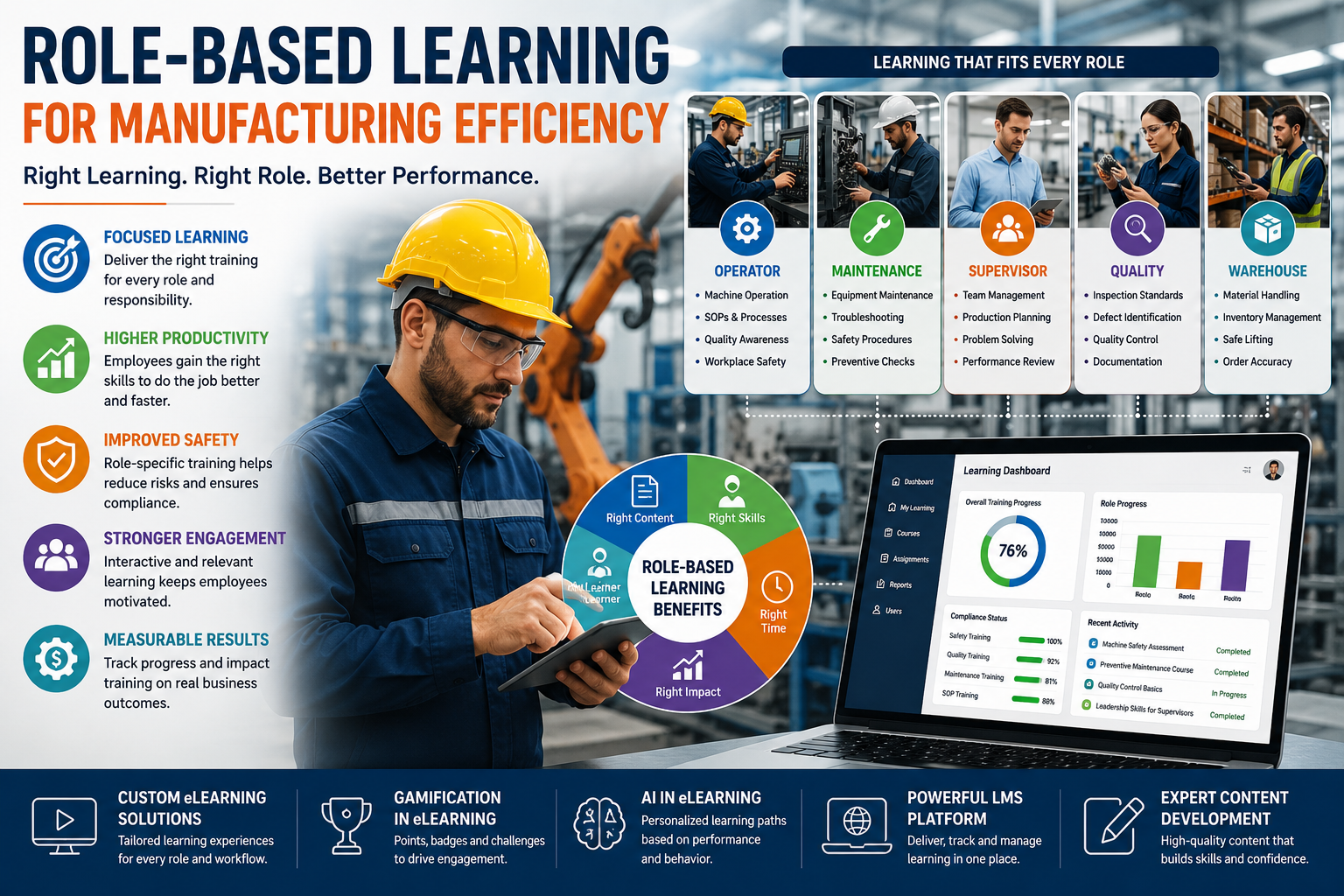
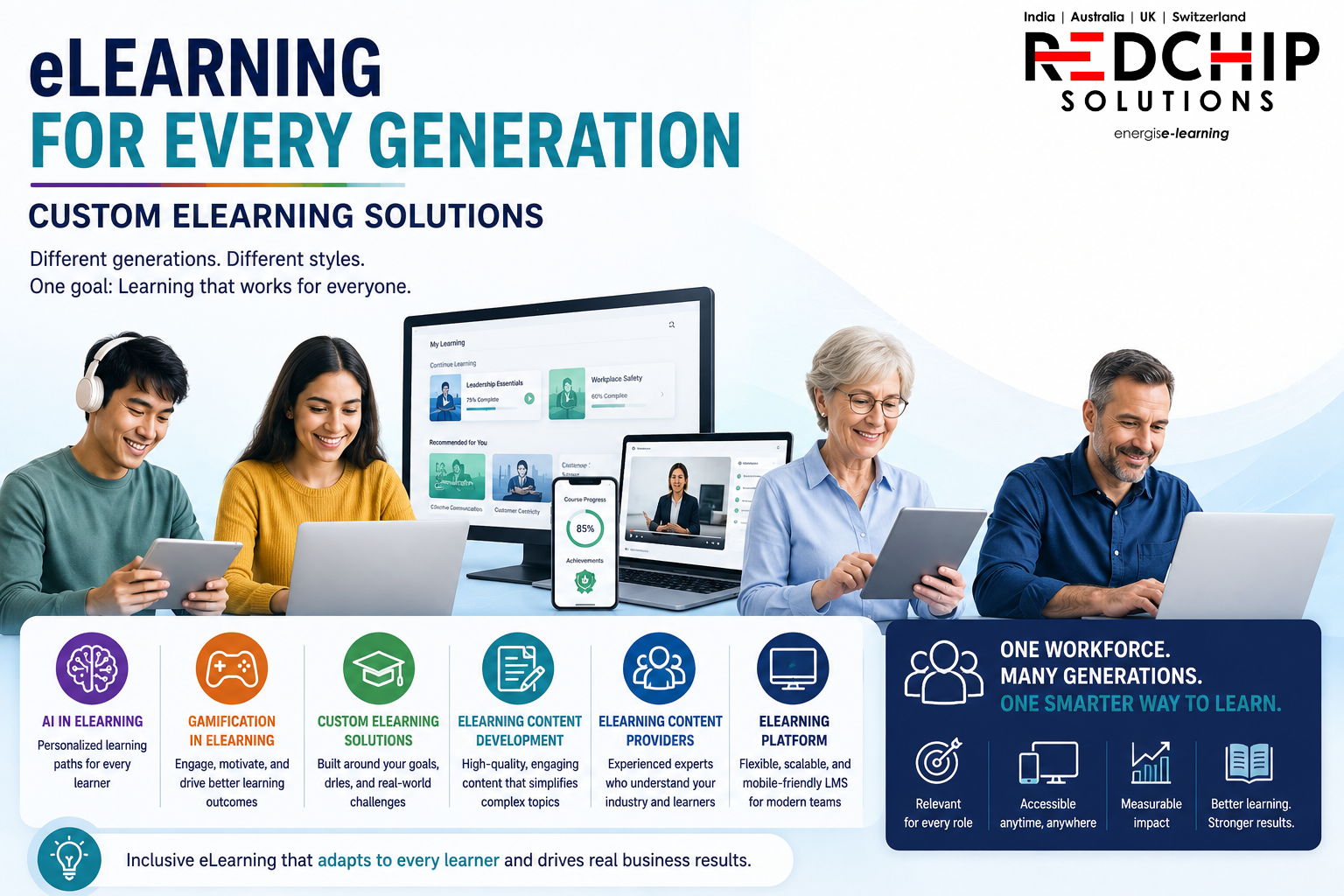
To support large and growing course libraries, many organizations turn to custom eLearning solutions that align content, technology, and learner needs across a single platform. This approach ensures sustainable growth while enhancing the learner experience.
What This Blog Covers
In this article, you’ll explore:
- How combined course libraries drive eLearning market expansion
- How the eLearning design process supports platform growth
- The role of microlearning modules and AI in eLearning for expansion
- Why eLearning content development and providers matter
- How platforms turn scale into measurable learning impact
How Combined Course Libraries Support eLearning Market Expansion
At first glance, merging libraries looks like a content expansion. Learners suddenly see thousands of new courses. However, more content does not always mean better learning. Without clear structure, learners may feel lost or overwhelmed.
This is where the eLearning design process becomes critical. Platforms must review overlapping topics, align learning levels, and create clear pathways. When done well, combined libraries feel curated rather than crowded. Therefore, learners move through content with purpose instead of browsing without direction. Proper design ensures meaningful outcomes across merged libraries, supporting eLearning market expansion.
Managing Combined Libraries With Custom eLearning Solutions for Expansion
After libraries merge, platforms often rely on custom eLearning solutions to unify the experience. Different providers bring varying styles, formats, and teaching methods. Without customization, learning can feel inconsistent.
Through tailored design and delivery, platforms align visuals, navigation, assessments, and tone. Additionally, this creates a seamless learning journey across newly combined libraries. Many organizations also use custom solutions to align merged content with internal goals, branding, and learner needs.
Industry research from eLearning Industry highlights how structured libraries prevent overload and accelerate eLearning market expansion.
Using Microlearning Modules to Drive eLearning Market Expansion
Large course libraries can feel heavy. Platforms reorganize content into microlearning modules to make the learning experience more manageable and engaging for learners.
These short, focused units help learners absorb information quickly and apply it immediately. After libraries combine, microlearning modules make updates easier, allowing content teams to refresh small sections rather than entire programs. Consequently, learning stays current, relevant, and actionable.
Moreover, microlearning supports scalable eLearning market expansion by boosting engagement and course completion rates.
How AI in eLearning Supports Market Expansion
When course libraries grow, choice becomes a challenge. AI in eLearning guides learners through larger course libraries. Using behavior data and skill mapping, AI recommends courses, sequences learning paths, and adapts content to learner needs.
As a result, learners focus on what matters most instead of being overwhelmed. Over time, AI-driven insights help platforms improve content quality and learning outcomes across merged libraries, supporting effective eLearning market expansion.
Scaling eLearning Content Development for Expansion
Combining libraries also means combining teams. eLearning content development expands when platforms bring together multiple content groups, tools, and workflows.
This scale allows faster production and broader coverage. However, clear standards are essential. Without alignment, quality can vary across courses. Strong governance and shared processes maintain consistency while still allowing innovation.
In this way, scalable eLearning content development ensures successful platform growth and supports eLearning market expansion.
How eLearning Content Providers Enhance Platform Expansion
Many merged libraries include content from multiple eLearning content providers. Each provider brings unique strengths, industry expertise, and teaching approaches.
When integrated well, providers enrich the platform. Learners benefit from diverse perspectives without leaving the ecosystem. Platforms also strengthen credibility across industries and skill areas.
The key is curation. Not every course needs to stay. The best platforms focus on relevance, ensuring combined libraries deliver value and support effective eLearning market expansion.
How Platforms Manage Large Libraries for Effective Expansion
For the platform itself, combined libraries change the experience significantly. Search, filtering, progress tracking, and reporting must all improve to handle scale.
Platforms that invest in experience design turn growth into clarity. Learners find content faster. Administrators manage learning more easily. Consequently, the platform becomes a true learning hub, not just a content repository.
Well-structured systems maximize learning outcomes, supporting eLearning market expansion across diverse organizations.
What This Means for Organizations and Learners During Expansion
For organizations, merged course libraries offer wider coverage, faster rollout, and better flexibility. Teams can access technical, leadership, and compliance content from one place.
For learners, the experience improves when platforms focus on structure, personalization, and relevance. Learning feels intentional rather than overwhelming.
Ultimately, success depends on how well platforms connect content, design, and technology to enable effective eLearning market expansion.
Conclusion: Turning Combined Libraries Into Growth
When two learning giants combine their course libraries, the opportunity is massive—but only if handled thoughtfully. Through a strong eLearning design process, the use of microlearning modules, AI in eLearning, and scalable eLearning content development, platforms turn expansion into real learning value.
Supported by custom eLearning solutions and trusted eLearning content providers, combined libraries deliver richer, more effective learning experiences and enable sustainable eLearning market expansion.