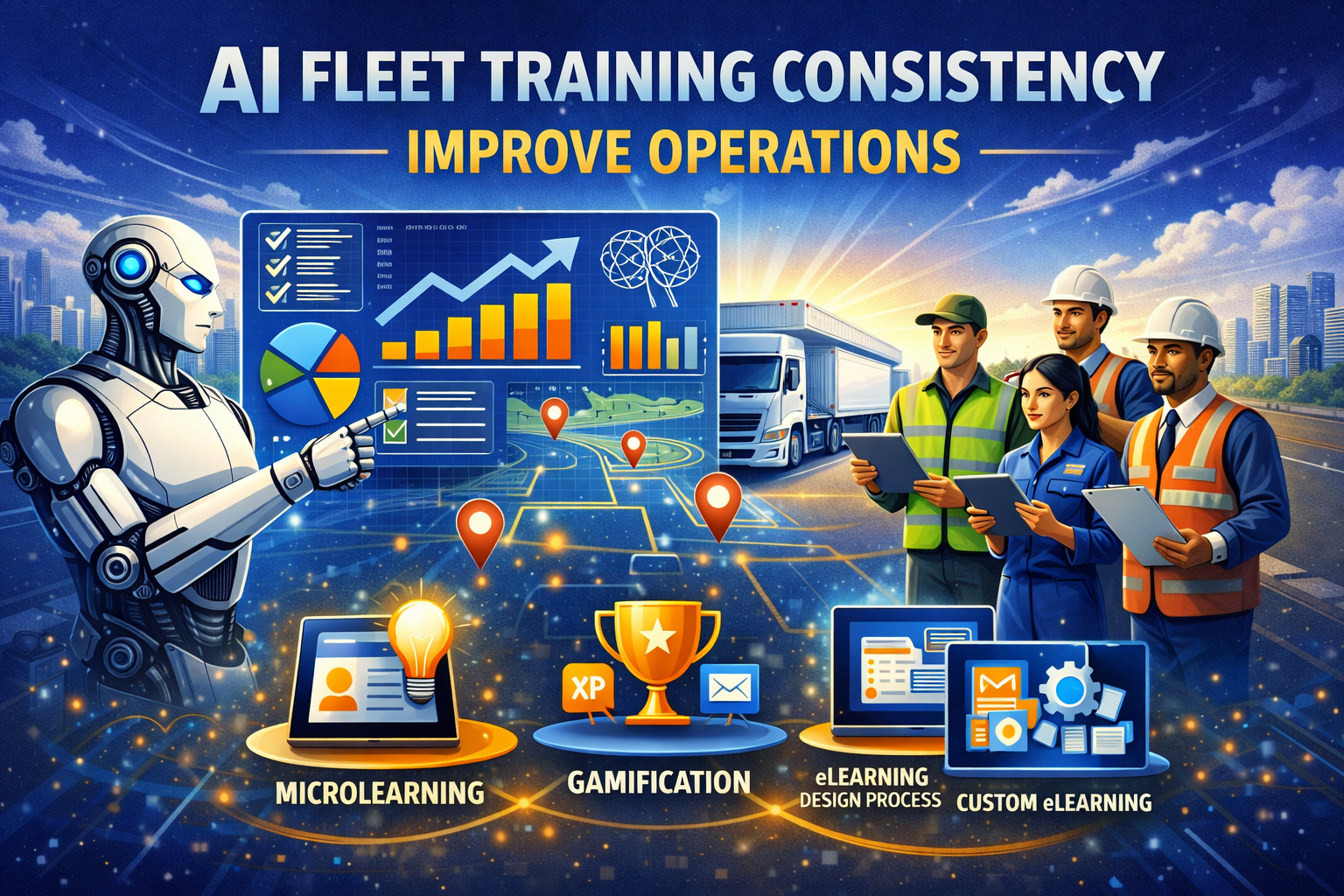

eLearning mergers benefits are becoming more visible as learning platforms combine content, technology, and expertise. When platforms merge, learners gain better access to structured knowledge, while businesses gain scalable and flexible training systems. As a result, learning becomes easier to manage, easier to measure, and more effective over time.
However, growth alone does not create value. The true benefits appear when merged platforms align learning design, content strategy, and user experience across the entire eLearning platform.
To support large and evolving course libraries, many organizations invest in custom eLearning solutions that align learning content, platform capabilities, and learner needs. As a result, they achieve sustainable growth while delivering consistent learning experiences.
What This Blog Covers
In the sections below, you’ll discover:
- How eLearning mergers benefits learners and businesses
- How the eLearning design process supports merged platforms
- Why microlearning and gamification improve engagement
- How AI in eLearning guides learners at scale
- The role of content development and providers after mergers
How eLearning Mergers Benefits Learners in Real Ways
One of the most direct mergers benefits for learners is easier access to relevant content. Instead of switching platforms, learners explore multiple skill areas in one place.
At the same time, larger libraries require better structure. This is where the eLearning design process becomes essential. After a merger, platforms must remove duplication, align learning levels, and define clear pathways. When design is done well, learners move forward with confidence instead of confusion.
For more insight into learner-centered design, platforms often follow best practices shared by eLearning Industry
eLearning Mergers Benefits for Businesses and Training Teams
From a business perspective, eLearning mergers benefits include faster rollout and better scalability. Training teams can support onboarding, compliance, and skill development without rebuilding content repeatedly.
Additionally, centralized reporting improves visibility. Leaders can track progress, identify skill gaps, and adjust learning strategies more easily. Over time, this leads to stronger learning outcomes and improved return on investment.
Microlearning Modules Support eLearning Mergers Benefits at Scale
As platforms grow, long courses become harder to manage. Therefore, many merged platforms rely on microlearning modules. These short lessons focus on one concept at a time.
Because microlearning modules are easier to update, content stays relevant. Consequently, learners remain engaged, and businesses avoid outdated training. This structure strongly supports long-term eLearning mergers benefits, especially for fast-changing roles.
Research from Harvard Business Review highlights how shorter learning formats improve retention
Gamification in eLearning Enhances Merger Outcomes
Another important eLearning mergers benefit is improved engagement through gamification in eLearning. Features such as progress indicators, challenges, and rewards encourage learners to complete courses.
The benefits of gamification in corporate learning include higher participation and better motivation. When combined with structured content, gamification strengthens learning outcomes rather than distracting from them.
AI in eLearning Helps Learners Navigate Merged Platforms
As course libraries expand, choice becomes a challenge. AI in eLearning addresses this by guiding learners to relevant content. AI recommends courses, personalizes learning paths, and adapts content based on learner behavior.
Over time, AI insights also help platforms improve content quality. As a result, learners experience clarity, and businesses gain smarter learning systems key eLearning mergers benefits at scale.
McKinsey research shows how AI-driven learning improves decision-making
Custom eLearning Solutions Maximize eLearning Mergers Benefits
Merged platforms often include different systems and learning styles. Custom eLearning solutions help unify these elements into a consistent experience.
Through customization, platforms align branding, navigation, assessments, and learning flow. This ensures that learners experience one cohesive eLearning platform, not separate systems stitched together.
See how custom eLearning solutions support platform integration and growth
eLearning Content Development and Providers After Mergers
eLearning content development expands after a merger as teams and tools combine. While this allows faster content creation, shared standards become critical.
At the same time, platforms work with multiple eLearning content providers. When curated carefully, providers add depth and industry expertise. Relevance remains more important than volume to sustain eLearning mergers benefits.
Conclusion: Turning Mergers Into Lasting Learning Value
The strongest eLearning mergers benefits appear when platforms focus on structure, personalization, and learner experience. Learners gain clarity and direction. Businesses gain scalability and insight.
By combining a strong eLearning design process, microlearning modules, gamification, AI in eLearning, and structured content development, merged platforms transform growth into meaningful learning impact.