
The learner benefits of eLearning mergers are becoming more visible as digital learning platforms combine course libraries, technology, and data capabilities. Instead of fragmented learning experiences, learners now gain access to wider content choices, smarter personalization, and smoother learning journeys. As mergers reshape the market, the real impact is felt at the learner level.
More importantly, these changes are not just about scale. They are about improving how people learn, progress, and apply skills at work. When platforms come together, learners experience less friction and more relevance in everyday training.
To support this shift, many organizations adopt custom eLearning solutions that align merged platforms with real learner needs, business goals, and evolving skill demands.
What This Blog Covers
In this article, you’ll explore:
- How M&A expands course access for learners
- Why personalization improves after platform mergers
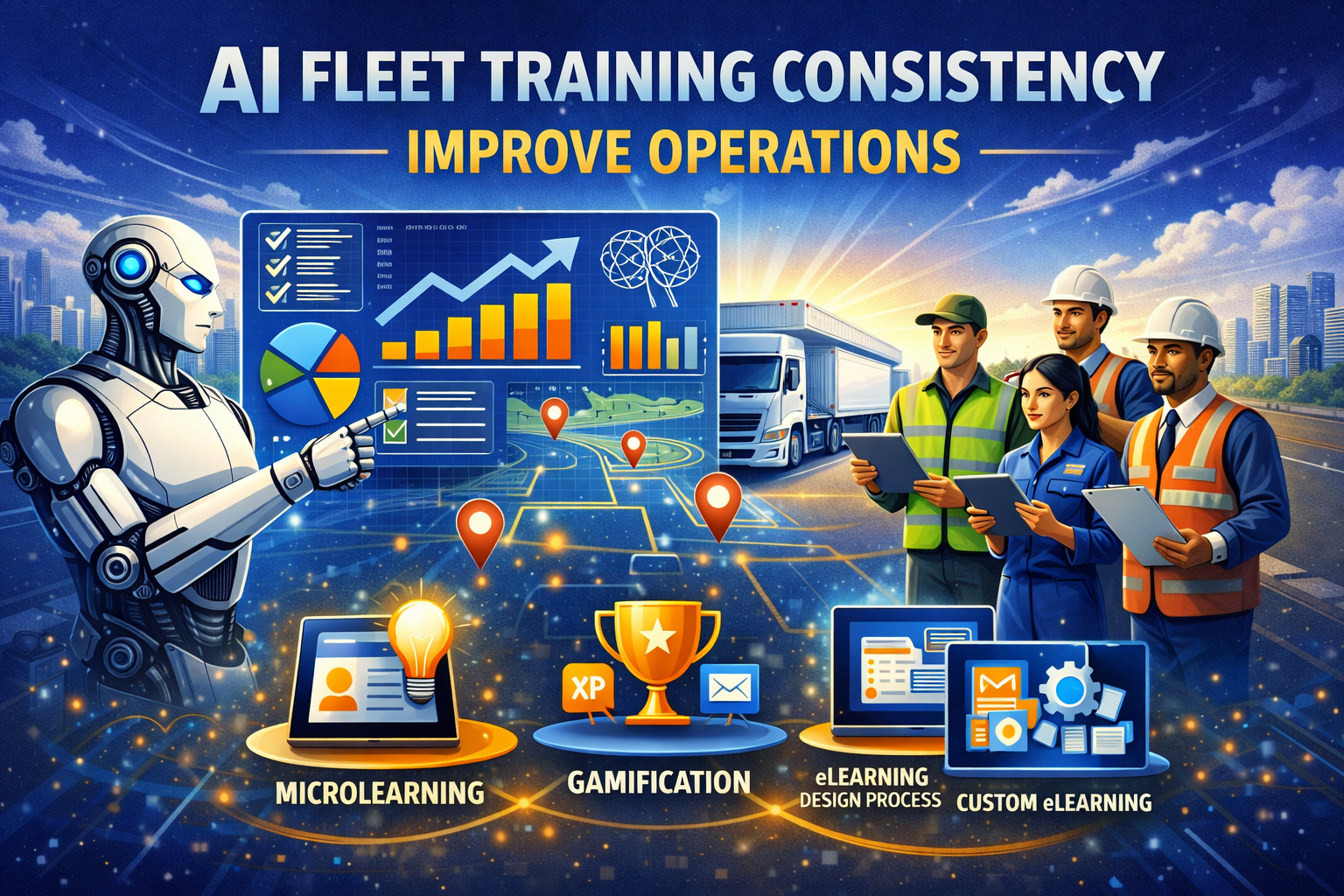
- The role of AI and microlearning modules
- How better design improves learner experience
- What this means for modern eLearning platforms
How eLearning Mergers Improve Learner Experience
One of the clearest learner benefits of eLearning mergers is broader access to content. When two learning providers combine, their course libraries merge as well. As a result, learners can explore new topics, industries, and skill levels without switching platforms.
In addition, this expanded access reduces learning gaps. Learners no longer depend on limited catalogs. Instead, they can move from beginner to advanced content within one connected ecosystem. Over time, this continuity improves confidence and learning momentum.
According to eLearning Industry, platform consolidation helps learners discover relevant content faster while reducing learning fatigue caused by multiple systems.
Better Personalization as a Key Learner Benefit of Platform Mergers
Another key learner benefit of eLearning mergers is improved personalization. When platforms combine learner data, AI in eLearning becomes more effective. Systems can analyze progress, preferences, and behavior across a wider learning history. As a result, learners receive better recommendations, adaptive paths, and timely nudges. Instead of generic courses, learning becomes more personal and useful. Moreover, personalization helps learners stay engaged. When content feels relevant, completion rates improve and learning outcomes strengthen.
Research published by Harvard Business Review also shows that personalized learning experiences improve long-term skill retention.
Why Microlearning Enhances Learner Experience After Mergers
Mergers also support better use of microlearning modules. Larger platforms can invest in short, focused learning units that match how people learn today. Learners benefit from quick lessons that fit into busy schedules. Because of this, learning becomes easier to start and easier to finish. Microlearning also supports just-in-time learning, helping employees apply skills immediately. This shift directly supports learner success, especially in fast-changing roles.
Improved Learning Experience Through Unified eLearning Design
The eLearning design process often improves after mergers. Combined teams bring stronger instructional design, UX expertise, and content development practices together. Consequently, courses feel clearer, more engaging, and easier to navigate. Better design reduces confusion and improves learner confidence. Over time, this consistency strengthens trust in the platform and encourages continuous learning.
Supporting Learner-Centric eLearning Platforms After Mergers
While mergers improve access and technology, organizations still need alignment. Many teams rely on custom eLearning solutions from Red Chip Solutions to connect merged platforms into one smooth learner journey
These solutions help organizations personalize content, integrate systems, and maintain a consistent learning experience across departments and regions.
Long-Term Learner Benefits of eLearning Mergers
The long-term learner benefits of eLearning mergers go beyond technology. Learners gain choice, clarity, and confidence. They spend less time searching and more time learning.
As platforms grow stronger together, learners experience learning that feels intentional, connected, and supportive of real career growth.
Conclusion
Mergers are reshaping digital learning, but the biggest impact is on learners. Through expanded course libraries, smarter personalization, improved design, and flexible delivery, the learner benefits of eLearning mergers are clear. When supported by the right strategy and custom solutions, these changes lead to better engagement, stronger outcomes, and lasting skill development.