
Pharmaceutical and manufacturing organizations operate under strict regulatory standards. However, keeping employees updated on Good Manufacturing Practices (GMP) is often difficult. Manual training, outdated content, and poor tracking can increase audit risks. Today, AI in GMP training helps organizations improve compliance readiness, reduce errors, and maintain consistent quality.
At the same time, employees need simple and role-based learning to understand GMP procedures clearly. Therefore, many companies are combining AI in eLearning with custom eLearning solutions to deliver engaging, trackable, and audit-ready training programs.
If you would like to see how this approach can support your compliance goals, you can request a demo
What this blog covers
- How AI supports GMP training and compliance
- Role of microlearning modules in GMP learning
- How gamification improves engagement
- Best practices in the eLearning design process
- Choosing the right eLearning platform and providers
If you want to see how these training strategies are applied in real projects, visit our portfolio
AI in GMP Training Improves Compliance Visibility and Control
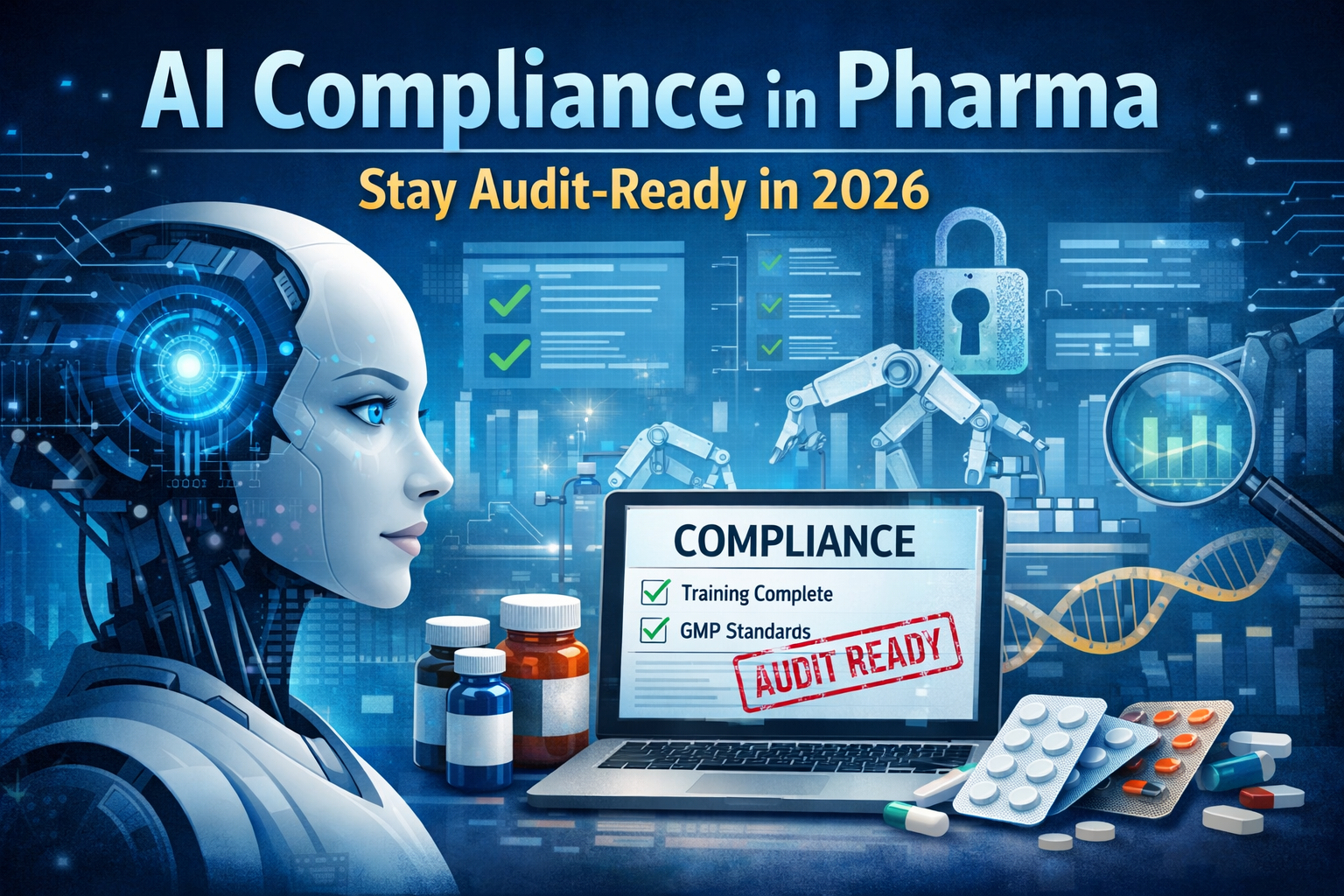
GMP training requires accurate tracking and documentation. However, manual systems often create gaps in records. AI in GMP training helps organizations monitor learning progress in real time.
For example, AI-based systems track course completion, assessment scores, and retraining needs. In addition, automated reminders ensure that employees complete mandatory training on time. As a result, compliance teams can generate audit-ready reports instantly.
Moreover, AI analytics identify high-risk areas where employees need additional support. Consequently, organizations can take corrective action before inspections.
For global GMP guidelines and regulatory expectations, organizations can refer to the World Health Organization
Microlearning Modules Support AI in GMP Training Effectiveness
Long training sessions often reduce attention and retention. However, microlearning modules make GMP topics easier to understand.
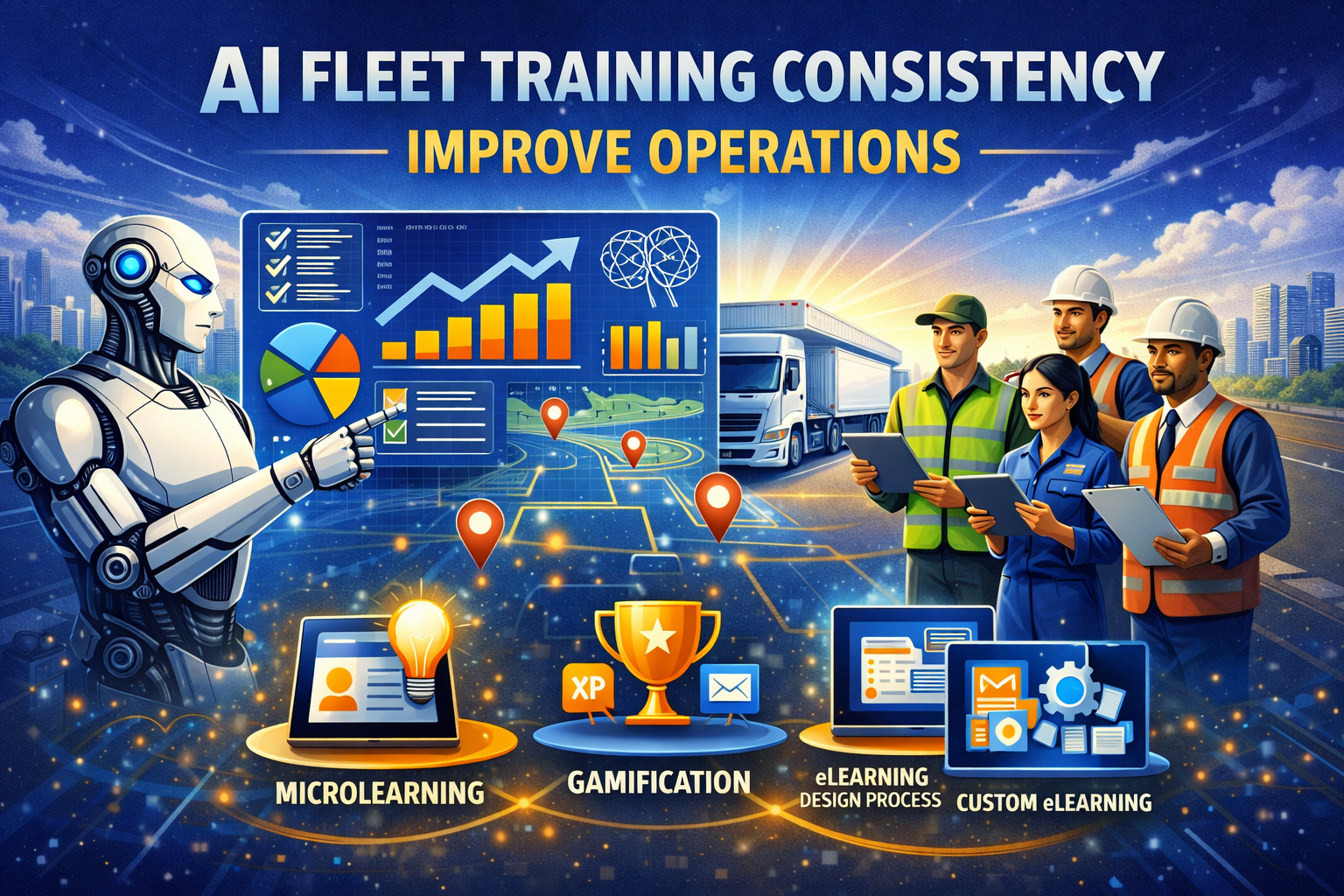
For instance, short lessons can explain SOPs, hygiene practices, or documentation procedures in 3–5 minutes. Furthermore, mobile-friendly access allows employees to learn during shift changes or downtime. As a result, learning becomes continuous and practical.
In addition, short refreshers help employees stay updated when regulations change. Therefore, organizations maintain stronger compliance over time.
Gamification in eLearning Increases Engagement in GMP Training
GMP training is often seen as mandatory and routine. However, gamification in eLearning makes the experience more interactive.
For example, employees can earn points for completing modules or passing assessments. Moreover, scenario-based challenges help them practice decision-making in quality and safety situations. Consequently, engagement and completion rates improve.
In addition, higher engagement leads to better knowledge retention. As a result, employees follow GMP procedures more consistently on the shop floor.
AI in eLearning Personalizes GMP Learning Paths
Every employee has a different role and experience level. Therefore, AI in eLearning plays a key role in strengthening AI in GMP training.
AI analyzes learner performance and identifies knowledge gaps. Then, it recommends targeted training based on job role and risk level. Meanwhile, managers receive insights into team readiness and training effectiveness.
Consequently, organizations move from one-size-fits-all training to personalized compliance learning.
eLearning Design Process Ensures Audit-Ready GMP Content
A structured eLearning design process is essential for effective GMP training. First, training needs analysis identifies critical compliance requirements. Next, eLearning content development focuses on simple language, real scenarios, and clear visuals.
Furthermore, subject matter experts validate the content to ensure regulatory accuracy. Regular updates keep the material aligned with changing guidelines. As a result, organizations stay prepared for audits and inspections.
For pharmaceutical regulatory standards and inspection expectations, organizations often refer to the U.S. Food and Drug Administration
Choosing the Right eLearning Platform and Content Providers
Effective AI in GMP training depends on both technology and expertise. Therefore, organizations should work with experienced eLearning content providers who understand regulated environments.
At the same time, the eLearning platform should support automated tracking, certification management, audit reports, and easy content updates. In addition, integration with HR and quality systems improves training management.
Together, the right platform and custom eLearning solutions create a scalable and compliant learning ecosystem.
Conclusion: Strengthening Compliance with AI in GMP Training
Regulatory expectations continue to increase, and training gaps can create serious risks. AI in GMP training helps organizations improve visibility, ensure timely completion, and maintain audit readiness. When combined with custom eLearning solutions, microlearning, and gamification, it builds a strong culture of quality and compliance.
Moreover, AI-driven insights help organizations move from reactive training to proactive risk management. As a result, teams stay informed, confident, and inspection-ready. If you are looking to modernize your compliance training, now is the right time to act.
Request a demo to see how our custom eLearning solutions can support your GMP training and compliance readiness.