
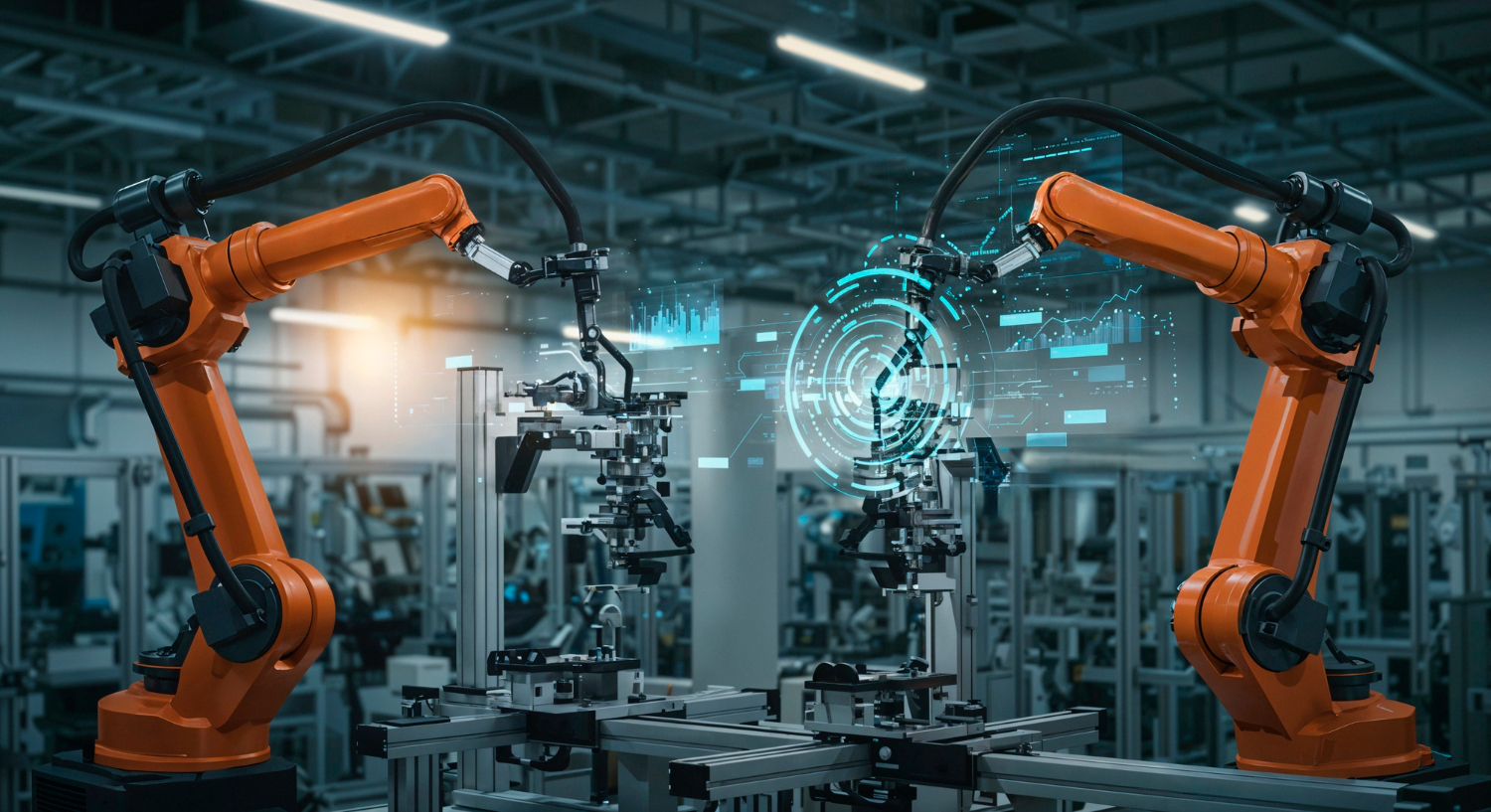
AI manufacturing training is changing how factories, plants, and industrial teams build skills in a fast-moving environment. As automation increases and machines become smarter, workforce training must also evolve. Traditional classroom sessions and static manuals can no longer keep pace with modern manufacturing needs.
Today, AI in eLearning helps manufacturing companies train workers faster, reduce errors, and improve productivity. From shop-floor operators to supervisors and maintenance teams, AI-driven learning supports continuous skill development. To make this possible at scale, many organizations adopt custom eLearning solutions that align learning with real operational challenges.
Request a demo to see how AI-powered manufacturing training can support your workforce.
What This Blog Explores
In this article, you’ll discover:
- Why AI manufacturing training is becoming essential
- How the eLearning design process supports shop-floor learning
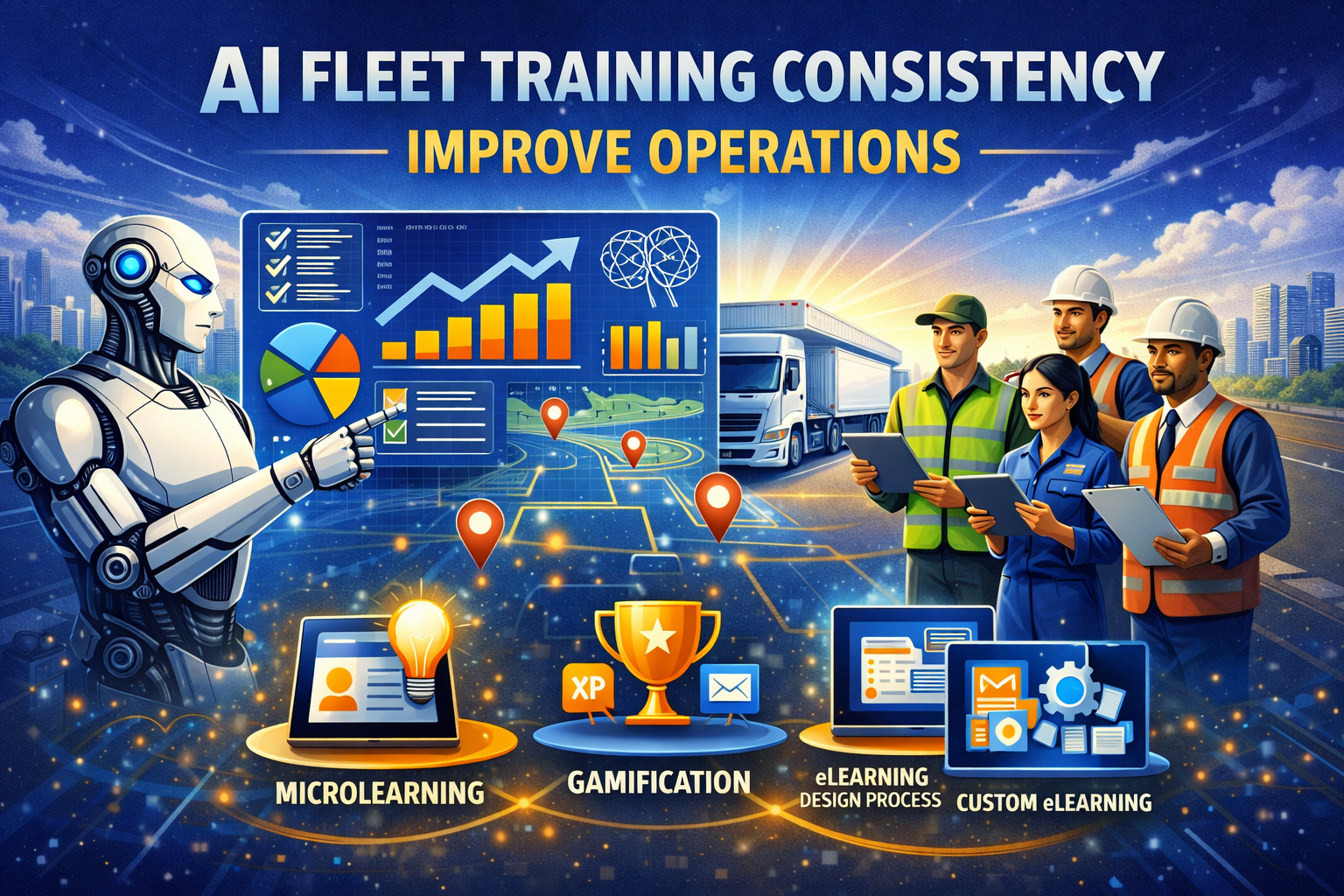
- The value of microlearning modules in manufacturing
- How gamification in eLearning improves engagement
- The role of eLearning content development and providers
- How the right eLearning platform enables scale
Why AI Manufacturing Training Is Gaining Importance
AI manufacturing training is gaining traction because the skills gap is widening. Machines evolve quickly, while workforce skills often lag behind. As a result, productivity, safety, and quality can suffer.
With AI in eLearning, training becomes adaptive. AI analyzes performance data, identifies gaps, and recommends targeted learning. Consequently, employees learn only what they need, when they need it. This reduces downtime and supports faster upskilling.
According to McKinsey, AI-enabled workforce training helps manufacturers improve efficiency and reduce operational risks.
AI Manufacturing Training and the eLearning Design Process
A strong eLearning design process is critical for manufacturing training. Manufacturing learners prefer clear, practical, and job-focused content.
First, training goals are aligned with production tasks. Next, AI supports personalization by adjusting learning paths based on skill levels. As a result, training feels relevant rather than generic.
Moreover, when processes or equipment change, AI-supported design allows faster updates without disrupting operations.
Microlearning Modules in AI Manufacturing Training
AI manufacturing training works best when learning is short and focused. That is why microlearning modules are widely used in manufacturing environments.
Instead of long sessions, learners access quick lessons on machine operation, safety checks, or quality standards. Therefore, learning fits naturally into shift schedules.
Additionally, microlearning modules make it easier to reinforce learning over time, which improves retention on the shop floor.
Gamification in eLearning for Manufacturing Teams
Gamification in eLearning adds motivation to manufacturing training without reducing seriousness. Manufacturing roles often involve repetition, so engagement is key.
Through challenges, progress tracking, and rewards, learners stay involved. The benefits of gamification in corporate learning include better participation and faster skill adoption.
When paired with AI, gamified learning adapts to individual progress, ensuring consistent improvement.
AI Manufacturing Training and eLearning Content Development
As training programs grow, eLearning content development becomes more complex. manufacturing training helps content teams prioritize what matters most.
AI insights show which modules perform well and which need improvement. Consequently, content quality improves without increasing development time.
This approach supports continuous learning while keeping content aligned with operational goals.
The Role of eLearning Content Providers in Manufacturing
Many manufacturers collaborate with experienced eLearning content providers to support manufacturing training. These providers bring industry knowledge, compliance awareness, and proven learning frameworks.
When integrated into a single system, external content enhances internal programs. Learners benefit from expert material without leaving the platform.
According to World Economic Forum, digital learning is key to building future-ready manufacturing workforces.
Choosing the Right eLearning Platform for AI Manufacturing Training
A scalable eLearning platform is essential for managing manufacturing training. The platform must support analytics, personalization, reporting, and integration with factory systems.
When platforms are designed well, managers gain visibility into skill readiness, while learners access content easily. As a result, training supports both productivity and compliance.
To see how this works in real projects, explore our work here view Red Chip Solutions portfolio
Conclusion: The Real Impact of AI Manufacturing Training
AI manufacturing training is transforming how organizations build skilled, adaptable teams. By combining custom eLearning solutions, AI in eLearning, microlearning modules, and structured content development, manufacturers can close skill gaps faster.
Supported by the right eLearning platform and trusted eLearning content providers, AI-driven training delivers long-term value for both people and production.
If you’re ready to modernize workforce training and stay competitive, now is the time to act Request a demo to see how AI-powered manufacturing training can work for your organization.