
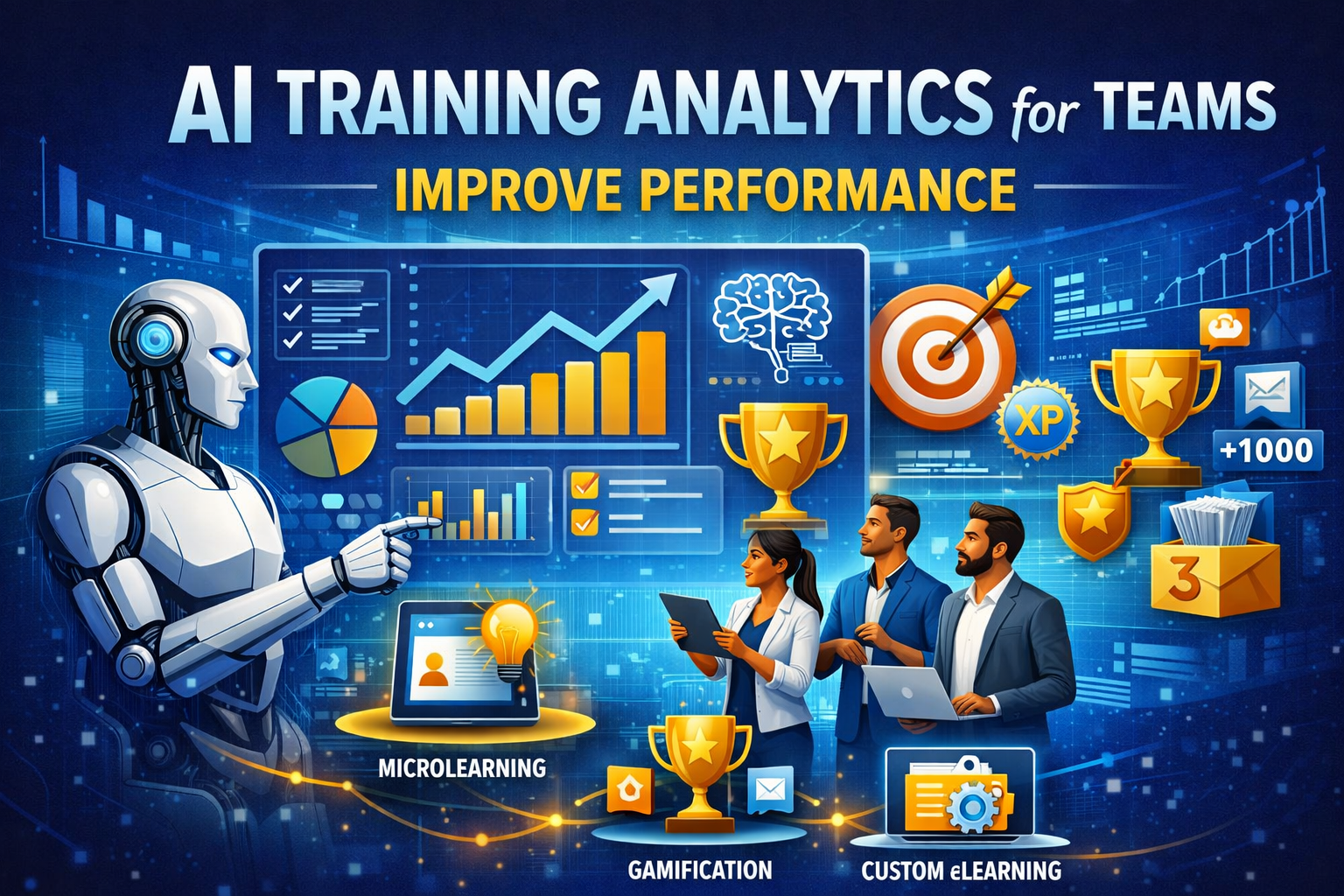
Operational teams work in fast-moving environments where performance and speed matter. Because of this, AI Training Analytics is helping organizations improve how training is delivered and measured. Traditional training often lacks visibility, which makes it difficult to track progress and fix skill gaps.
Today, businesses are using AI in eLearning with custom eLearning solutions to make learning more practical and data-driven. As a result, teams improve faster while managers gain better control over outcomes.
Request a Demo And see how smarter training analytics can improve your team’s performance.
What this article covers
- Role of AI-driven training insights in teams
- How microlearning supports daily training
- Improving engagement with gamification
- Personalized learning using AI systems
- Building training with the right design process
- Selecting platforms and content providers
You can also explore the Red Chip Solutions portfolio to see real implementations.
AI Training Analytics Improves Team Performance
In modern workplaces, AI Training Analytics helps organizations move toward data-driven learning. Instead of guessing what works, teams can rely on actual performance insights.
For example, AI systems track learning activity, assessments, and user behavior. As a result, managers can quickly identify gaps and improve training strategies.
In addition, real-time feedback allows employees to improve continuously. This creates a more efficient and responsive learning environment.
For deeper industry insights and research on training and development, you can refer to the Association for Talent Development (ATD)
Microlearning Modules with AI Training Analytics
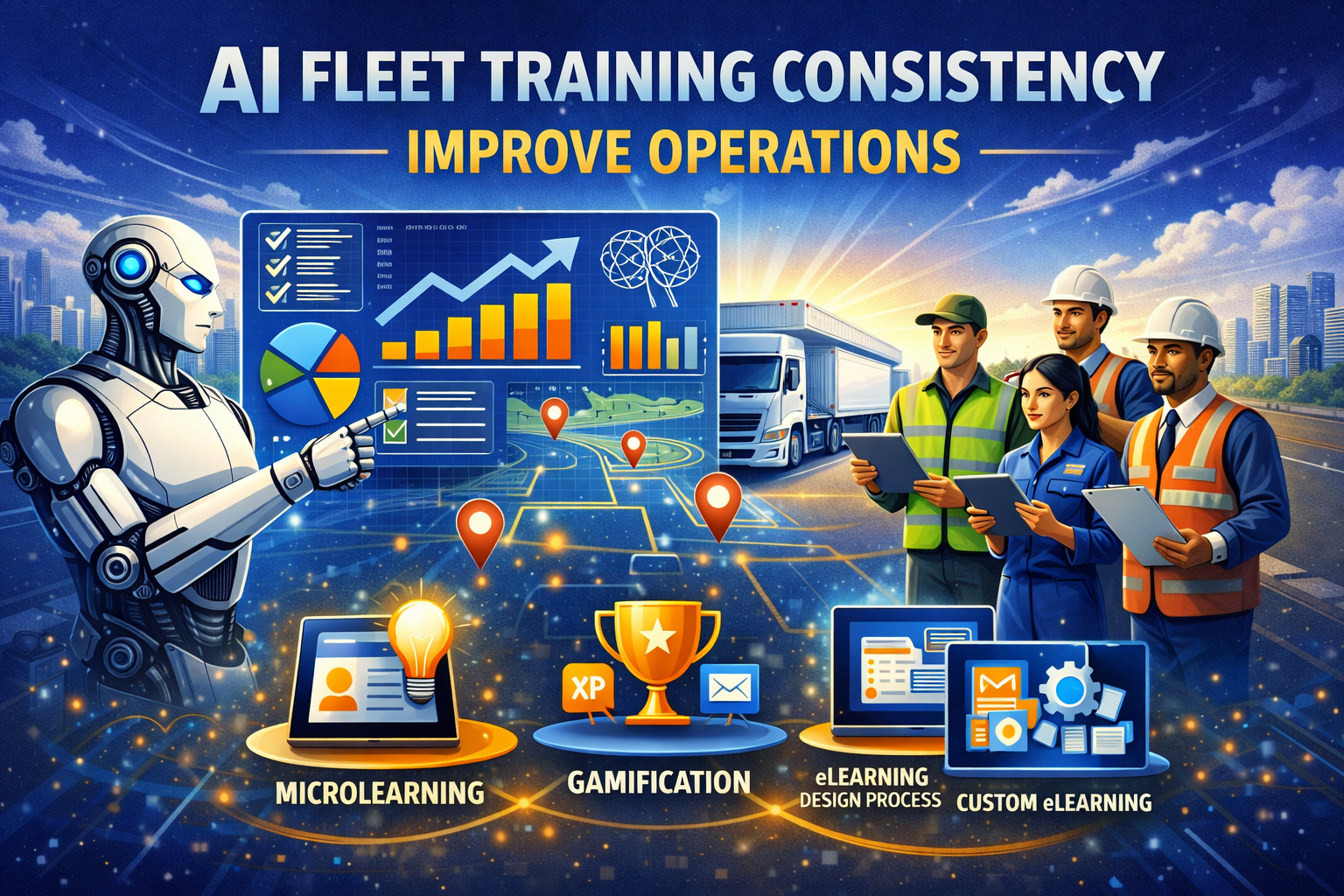
In operational settings, AI Training Analytics works best when combined with microlearning modules. Teams need short and focused lessons that fit into their daily workflow.
Each module targets one task. For instance, employees can review a quick guide before performing a process.
Because of this, learning becomes easier to understand and apply. At the same time, AI-driven analytics tracks progress and completion.
Gamification in eLearning with Training Analytics
To improve engagement, AI Training Analytics can be paired with gamification in eLearning. Many training programs struggle with low participation, but gamification changes that.
Points, badges, and challenges motivate employees to complete modules. Meanwhile, scenario-based activities help apply learning in real situations.
As a result, engagement increases. At the same time, analytics tools measure participation and effectiveness.
AI in eLearning for Personalized Training Analytics
Different employees have different learning needs. Therefore, AI Training Analytics supports personalization through AI in eLearning.
AI systems analyze user data and suggest relevant learning paths. New employees receive basic content, while experienced workers access advanced modules.
Because of this, training becomes more relevant. It also saves time by focusing only on required skills.
eLearning Design Process Supported by Analytics
A strong training program depends on a clear structure. Here, AI Training Analytics supports a well-defined eLearning design process.
The process begins with identifying learning goals. Then, eLearning content development focuses on real-life scenarios.
Interactive elements improve engagement. At the same time, analytics helps refine content based on performance data.
eLearning Platform and Providers for Training Analytics
To fully use AI Training Analytics, organizations need the right eLearning platform. The platform should support tracking, reporting, and mobile access.
At the same time, experienced eLearning content providers ensure the content is effective and aligned with business goals.
When combined with custom eLearning solutions, companies can build scalable systems that improve over time.
Conclusion: AI Training Analytics for Better Results
Operational teams need training that delivers measurable outcomes. Because of this, Training Analytics plays a key role in improving performance.
With better insights, organizations can refine training and reduce skill gaps. In addition, tools like microlearning modules, gamification in eLearning, and structured design processes make learning more effective.
In the long run, companies that adopt smarter training strategies stay ahead.
Ready to improve your training strategy?
If you want better visibility into learning and stronger team performance, now is the right time to act.
Request a Demo today and discover how our custom eLearning solutions can transform your training approach.