
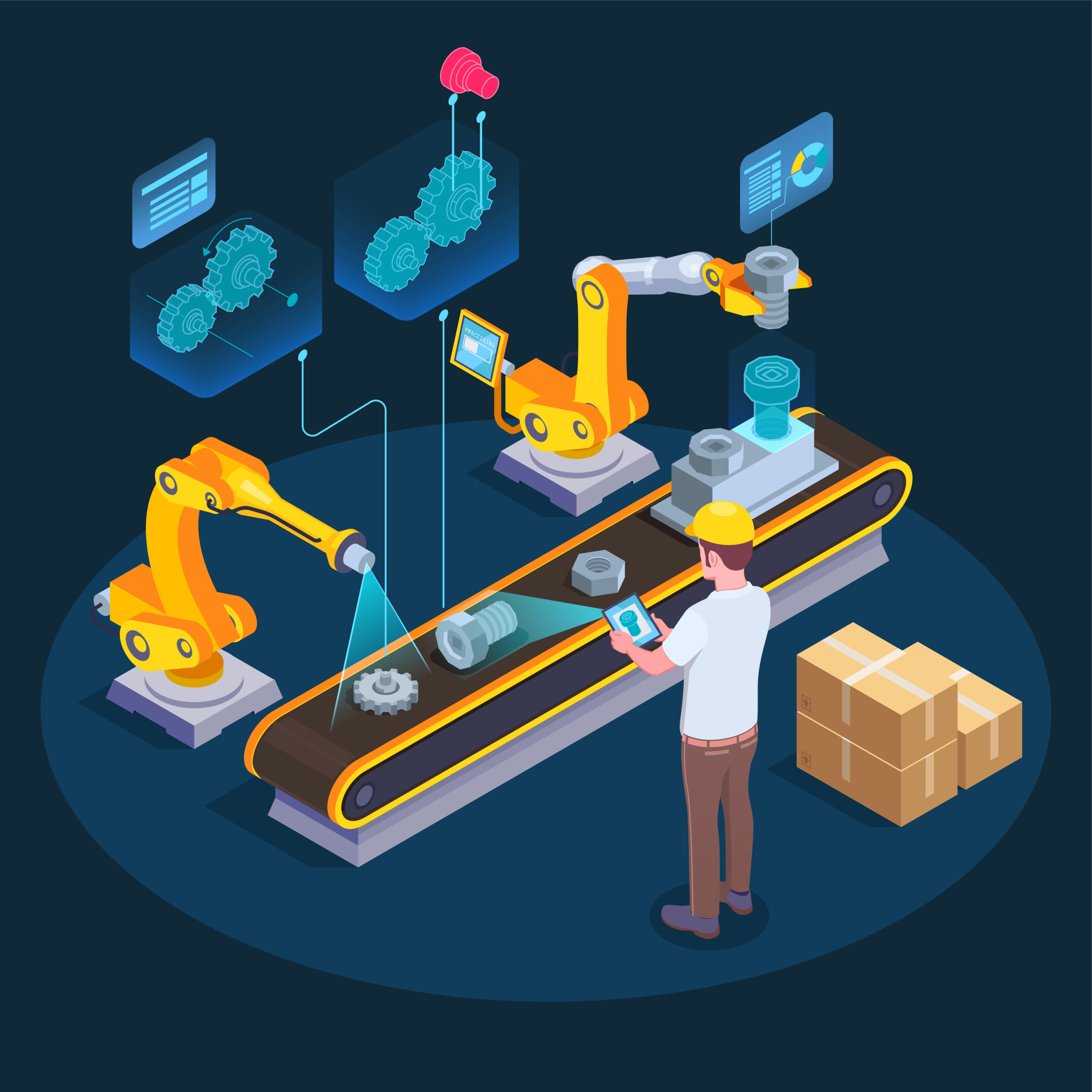
AI-driven skill gap analysis for manufacturing teams is becoming essential as factories move toward automation and smart production. Today, manufacturers need clear visibility into workforce skills, not assumptions. That is where AI in eLearning and custom eLearning solutions play a vital role.
By combining data, learning insights, and a scalable eLearning platform, organizations can identify skill gaps early and respond faster. As a result, training becomes focused, measurable, and aligned with real shop-floor needs.
Request a demo to see how AI-powered skill analysis supports manufacturing teams.
What This Blog Covers About AI Skill Gap Analysis
In this guide, you’ll explore:
- Why AI-driven skill gap analysis matters in manufacturing
- How the eLearning design process supports skill mapping
- Where microlearning modules fit into gap closure
- How gamification in eLearning improves engagement
- The role of eLearning content development and providers
- How an eLearning platform turns insights into action
You can also explore real implementations here view Red Chip Solutions portfolio
Why AI-Driven Skill Gap Analysis Matters in Manufacturing
AI-driven skill gap analysis helps manufacturing teams move away from guess-based decisions. Earlier methods depended on manual reviews, which often missed hidden gaps.
However, when AI in eLearning analyzes assessments, performance data, and learning behavior, it reveals where skills are lacking. Therefore, leaders can plan training that directly improves safety, quality, and productivity.
According to McKinsey, data-led workforce strategies help manufacturers adapt faster to change.
Skill Gap Analysis Supported by the eLearning Design Process
A strong eLearning design process ensures that AI-driven skill gap analysis leads to action. Without proper design, insights remain unused.
First, manufacturing roles and competencies are mapped clearly. Then, learning paths are created based on identified skill gaps. As a result, training becomes practical and job-focused. Over time, this structured design improves workforce readiness.
Microlearning Modules for Closing Manufacturing Skill Gaps
Microlearning modules play a key role in AI-driven skill gap analysis for manufacturing teams. Since shop-floor time is limited, short lessons work best.
These bite-sized modules focus on machine handling, safety steps, and quality checks. Consequently, workers learn faster without disrupting operations. Moreover, microlearning adapts easily when processes or tools change.
Gamification in eLearning for Manufacturing Skill Adoption
Gamification in eLearning supports skill gap closure by improving participation. Manufacturing training often struggles with engagement, especially during repeat learning.
Through challenges, progress tracking, and instant feedback, learners stay involved. When combined with AI insights, gamified learning adapts to individual skill levels, improving retention and application.
AI in eLearning for Predictive Skill Gap Planning
AI in eLearning goes beyond current skill gaps and supports future workforce planning. By tracking trends, AI predicts upcoming skill needs.
Therefore, manufacturing teams can prepare before new equipment or systems arrive. This proactive approach reduces downtime and supports smoother technology adoption.
eLearning Content Development Based on Skill Gap Data
Modern eLearning content development becomes more effective when guided by AI-driven skill gap analysis. Instead of generic courses, content targets real deficiencies.
As a result, learning material stays relevant and focused. Over time, this data-led approach ensures training evolves alongside manufacturing needs.
Role of eLearning Content Providers in Skill Gap Training
Experienced eLearning content providers help manufacturers scale skill gap initiatives. These providers bring industry-specific knowledge and proven learning frameworks.
When their content aligns with internal skill data, training programs become more consistent across plants and teams.
The World Economic Forum highlights reskilling as a top priority for manufacturing.
Choosing the Right eLearning Platform for Skill Gap Analysis
A reliable eLearning platform is critical for managing AI-driven skill gap analysis at scale. The platform should support analytics, reporting, and personalized learning paths.
When paired with custom eLearning solutions, it becomes a central hub for workforce development. Managers gain visibility, while employees receive targeted training.
Conclusion
AI-driven skill gap analysis for manufacturing teams enables smarter training decisions. By combining AI in eLearning, microlearning modules, gamification in eLearning, and a structured eLearning design process, organizations close gaps faster.
Supported by strong content development, trusted providers, and a scalable eLearning platform, manufacturers build skilled, future-ready teams.
Request a demo to see how AI-led skill analysis can strengthen your manufacturing workforce.