
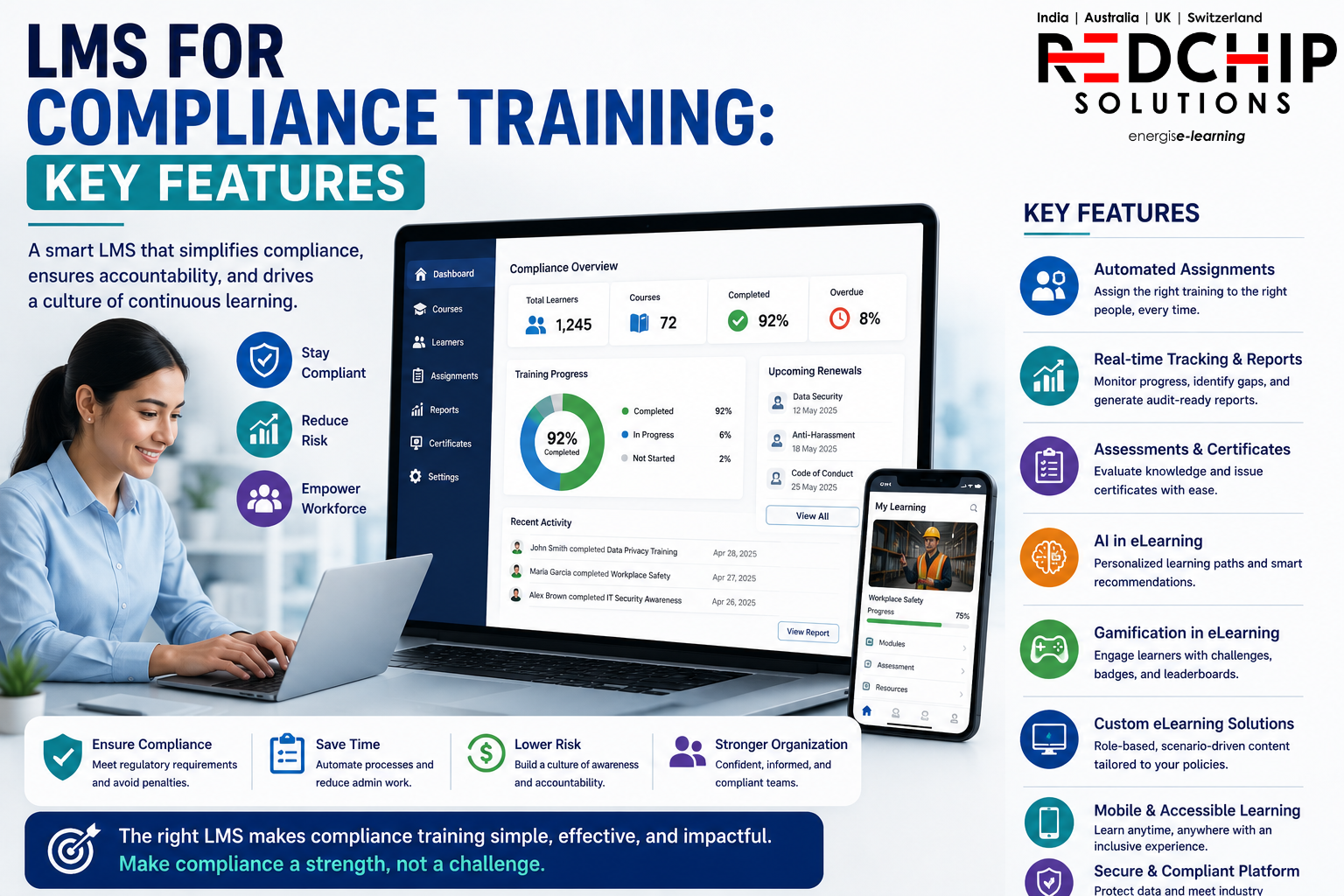
An LMS for Compliance Training should do much more than host mandatory courses. Today, companies need a learning system that can assign the right training, track completion, support assessments, manage certificates, and keep reliable records. At the same time, employees expect learning to be simple, useful, and easy to access.
Therefore, choosing the right compliance training LMS has become an important decision for HR, L&D, compliance, and business teams.
A modern LMS for Compliance Training can also bring together custom eLearning solutions, AI in eLearning, gamification in eLearning, eLearning content development, and a flexible eLearning platform. When these elements work together, compliance training can move beyond a simple “complete the course” task.
For regulated industries, this matters even more. Employees may need training on safety, data privacy, workplace conduct, information security, quality, ethics, or industry rules. As a result, the learning system must support both business needs and compliance goals.
If you are reviewing your current LMS or planning a new compliance learning program, Requesting for a Demo to discuss your requirements with Red Chip Solutions.
What This LMS for Compliance Training Guide Covers
This guide looks at the key areas that organizations should review before selecting a compliance learning platform.
You will learn about:
- Course assignment and automation
- Compliance tracking and reports
- Assessments and certificates
- AI in eLearning
- Gamification in eLearning
- Custom eLearning solutions
- eLearning content development
- Mobile learning
- Accessibility
- Audit-ready records
- Integration
- Choosing eLearning content providers
Why an LMS for Compliance Training Needs More Than Course Hosting
An LMS for Compliance Training needs to do more than store videos, documents, and courses because compliance teams also need control, visibility, and accurate records.
A basic learning system may allow administrators to upload a course. However, that alone does not solve the daily problems faced by HR and compliance teams.
For example, an organization may need to assign different courses based on:
- Job role
- Department
- Location
- Risk level
- Employee level
- New-joiner status
- Previous training
- Certification status
Therefore, a good compliance training LMS should support automated rules.
Suppose a new employee joins the finance team. The system can assign the required ethics, data privacy, and financial compliance courses automatically. For example, organizations dealing with workplace safety can refer to the official OSHA Training Resources, which provides training requirements and resources for workplace hazards.
Likewise, when an employee moves into a new role, the learning system can assign additional training.
As a result, administrators spend less time managing spreadsheets and sending manual reminders.
LMS for Compliance Training Needs Strong Tracking and Reports
A reliable LMS for Compliance Training gives administrators clear records of learner progress, completion, assessments, and certification status.
This is one of the most important areas to review when comparing an eLearning platform.
Compliance teams should be able to answer questions such as:
- Who completed the training?
- Who has not completed it?
- When was the course completed?
- Did the employee pass the assessment?
- When does the certificate expire?
- Which employees are overdue?
- Which departments have completion gaps?
Moreover, dashboards can make these answers easier to find.
Instead of creating reports manually, administrators can view completion data directly within the compliance learning platform.
Furthermore, good reports can help teams spot learning problems. If many employees fail the same assessment question, for instance, the content may need to be explained more clearly.
Thus, reporting should not be treated as a minor LMS feature. It should be part of the core compliance learning process.
Automated LMS for Compliance Training Assignments
Automated LMS for Compliance Training assignments can reduce the manual work required from HR and L&D teams.
Without automation, administrators may need to track hundreds or thousands of employees.
They may also need to:
- Assign courses
- Send reminders
- Check completion
- Follow up with managers
- Track renewals
- Prepare reports
Consequently, this process can become difficult as the workforce grows.
A modern compliance training LMS can automate many of these steps.
For example, annual training can be assigned automatically. Similarly, refresher training can be triggered when an employee’s certification reaches its renewal date.
As a result, the organization gets a more consistent learning process.
AI in eLearning for Smarter Compliance Training
AI in eLearning can strengthen an LMS for Compliance Training by helping organizations create more relevant learning paths.
Traditional compliance courses often provide the same content to everyone. However, employees may have different roles, experience levels, and knowledge gaps.
Therefore, AI in eLearning can support more personalized learning.
For example, AI-based learning systems can help identify areas where a learner may need more practice.
They can also support:
- Personalized learning paths
- Knowledge-gap analysis
- Practice questions
- Learning recommendations
- Feedback
- Content discovery
- Scenario-based practice
However, AI should support approved compliance content rather than replace subject matter experts or legal review.
For sensitive compliance topics, organizations should maintain clear controls over the content used by the system.
In other words, AI can improve the learning experience while the organization remains responsible for the accuracy and approval of its compliance material.
Gamification in eLearning for Better Compliance Engagement
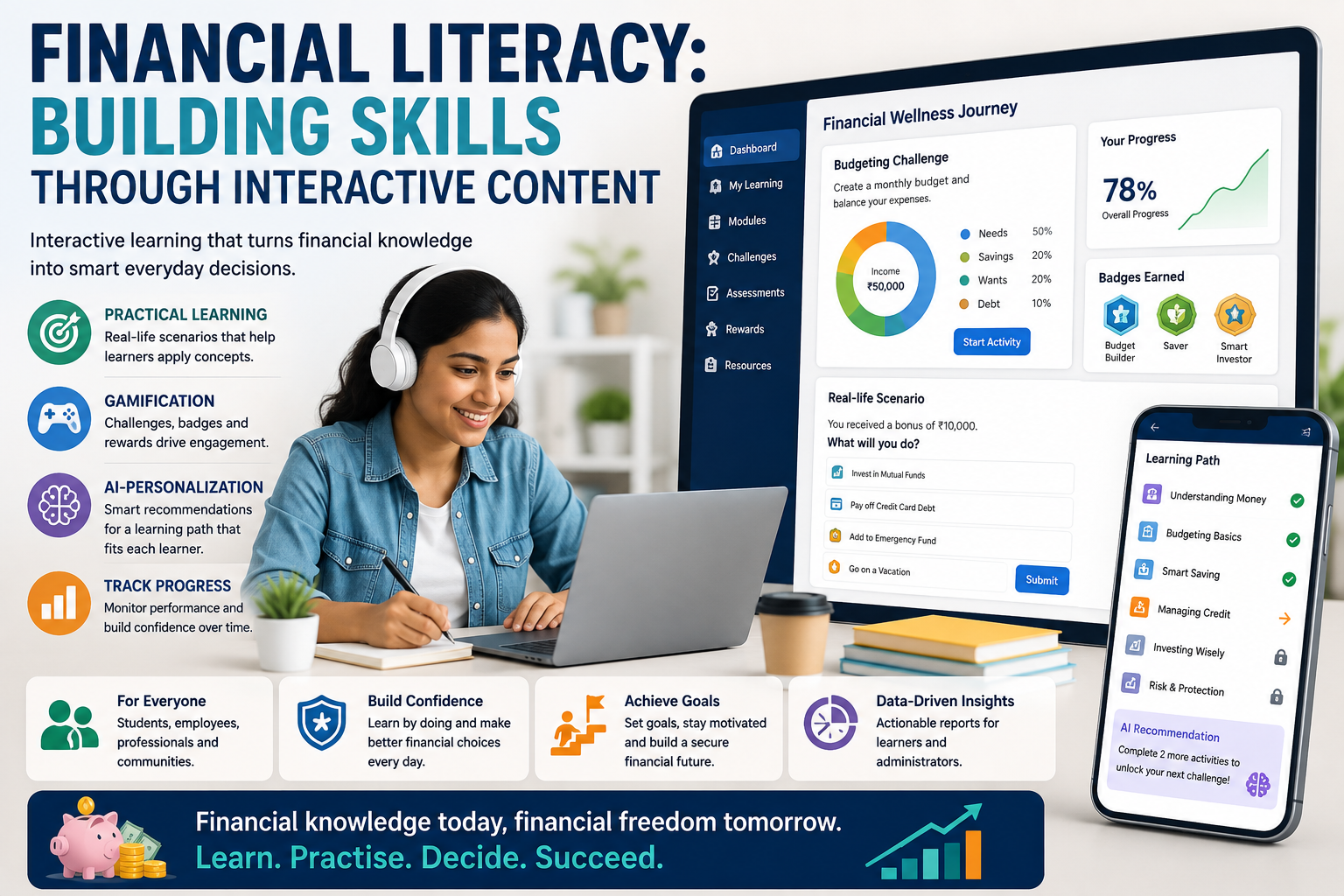
Gamification in eLearning can make LMS for Compliance Training more engaging by turning policies into practical decisions and challenges.
Compliance training can sometimes feel repetitive. Employees may read slides, answer questions, and move to the next screen without thinking deeply about the topic.
However, workplace scenarios can change that experience.
For example, a course could present a situation where an employee receives confidential information by mistake.
The learner then chooses what to do.
Afterward, the course explains the correct response and why it matters.
Similarly, a cybersecurity course could ask learners to identify a suspicious email.
Therefore, gamification in eLearning can help employees practise decisions instead of simply memorizing rules.
Gamification does not always require points or leaderboards.
It can also include:
- Challenges
- Levels
- Scenarios
- Simulations
- Decision paths
- Progress indicators
- Instant feedback
- Knowledge missions
As a result, compliance learning can become more active and closer to real workplace situations.
Custom eLearning Solutions for Role-Based Compliance
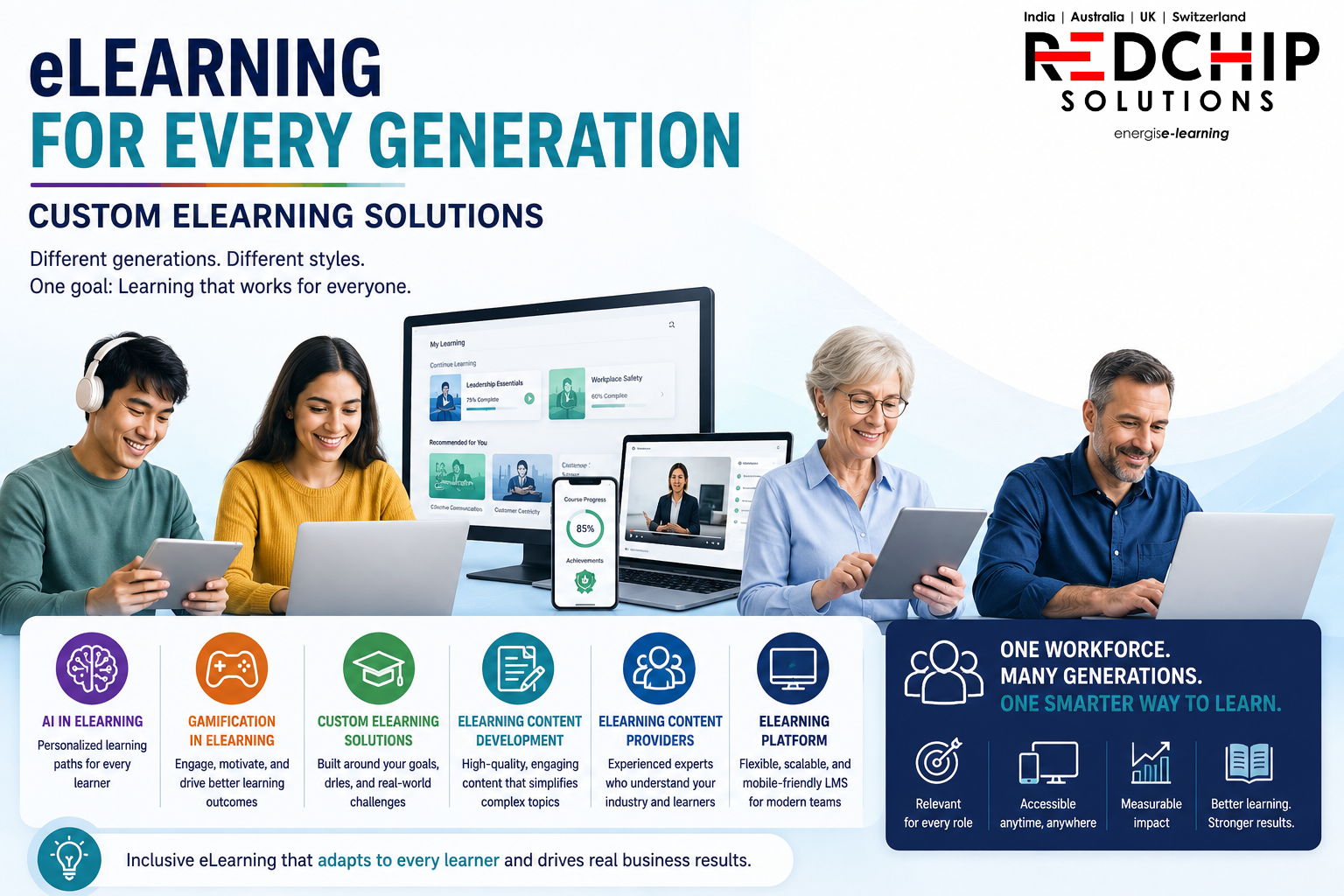
Custom eLearning solutions make an LMS for Compliance Training more useful when employees need different learning based on their roles.
A generic course may explain a company policy correctly. Still, an employee may ask, “How does this apply to my job?”
That is where custom learning can help.
For example, a data privacy course for an IT employee can use different examples from a course for a sales employee.
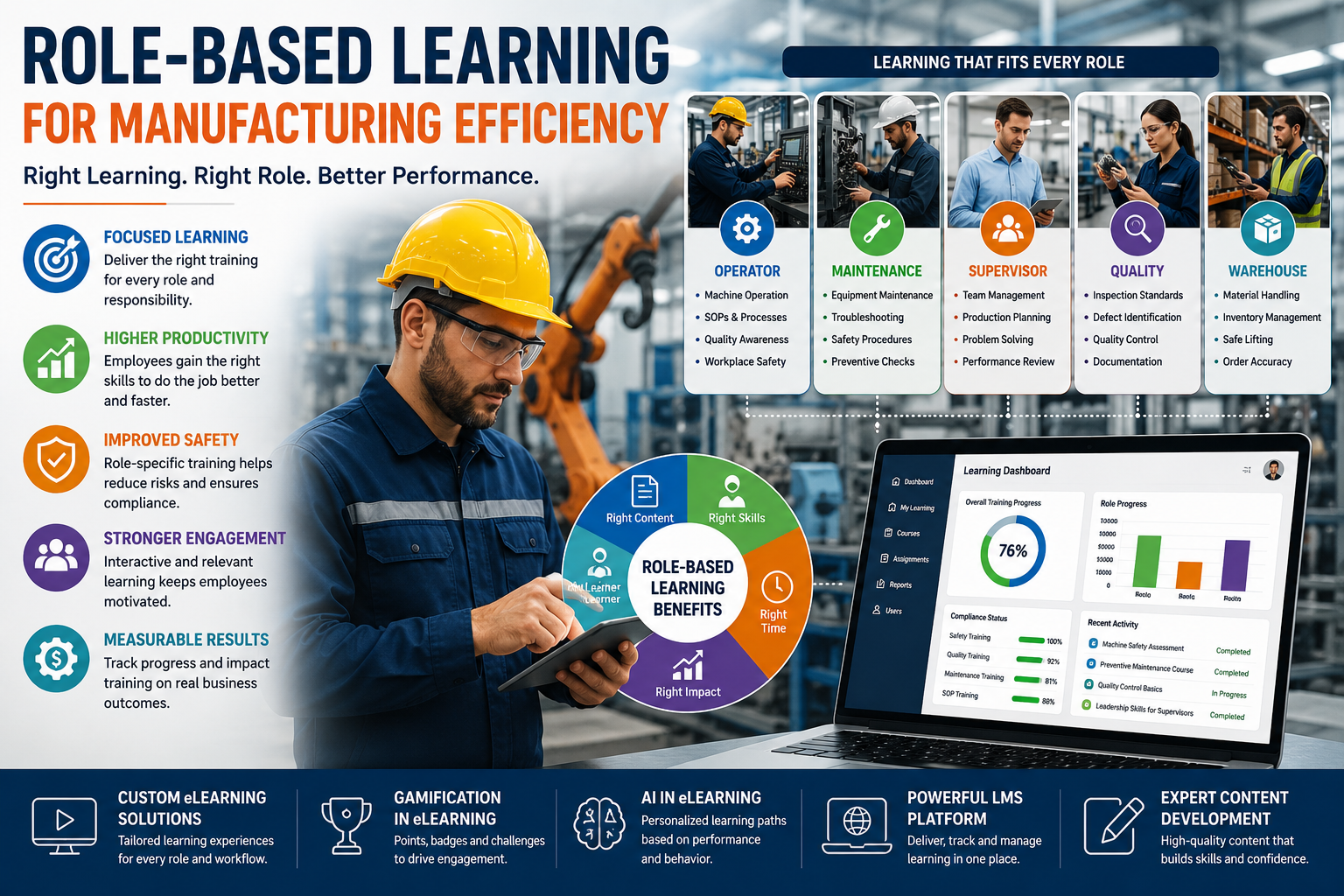
Likewise, compliance training for a manufacturing worker may focus on workplace safety, while office staff may need more focus on data security and workplace conduct.
Therefore, custom eLearning solutions can use real work situations, role-based examples, and company policies.
This approach can make training easier to understand.
It can also help employees connect compliance rules with the decisions they make every day.
eLearning Content Development Should Focus on Real Decisions
Effective eLearning content development gives an LMS for Compliance Training practical scenarios instead of relying only on policy text.
A policy may explain what employees should do. However, learning becomes more useful when employees can practise applying that policy.
For instance, instead of presenting several slides about workplace conduct, the course can show a realistic workplace situation.
The learner then selects a response.
Next, the course explains the result.
This type of learning can include:
- Interactive scenarios
- Case studies
- Short videos
- Simulations
- Branching activities
- Knowledge checks
- Interactive assessments
- Job aids
Furthermore, short activities can help break long compliance courses into smaller learning units.
As a result, eLearning content development becomes focused on understanding and action rather than simply completing screens.
Mobile and Accessible LMS for Compliance Training
For an LMS for Compliance Training to work across a modern workforce, learning must also be easy to access on different devices.
Employees may use desktops, laptops, tablets, or smartphones.
Therefore, responsive learning can be important, especially for employees who do not spend their full workday at a desk.
Accessibility matters as well.
For example, courses can include:
- Captions
- Clear navigation
- Readable text
- Keyboard-friendly controls
- Simple layouts
- Accessible assessments
- Suitable contrast
Moreover, learning content should use clear language.
This is particularly important for organizations with employees from different regions, departments, and language backgrounds.
Consequently, a good compliance learning platform should support a wide range of learners rather than assuming that everyone learns in the same way.
Audit-Ready Records Are Essential for LMS Compliance Training
An LMS for Compliance Training should also maintain reliable records that organizations can access during audits and internal reviews.
Compliance teams may need to show evidence of employee training.
Therefore, the system should make important information easy to find.
Useful records can include:
- Employee name
- Course name
- Assignment date
- Completion date
- Assessment score
- Certificate status
- Renewal date
- Training version
- Completion status
Furthermore, administrators should be able to export reports when needed.
This is especially useful when training must be completed every year or when certificates have an expiry date.
As a result, record management becomes part of the overall compliance process.
Organizations should also review their own regulatory and industry requirements before deciding what records need to be retained.
How to Choose eLearning Content Providers for Compliance
The right eLearning content providers can strengthen an LMS for Compliance Training by creating accurate, role-based, and engaging compliance courses.
An LMS can manage learning. However, the quality of the learning content still matters.
Therefore, ask potential eLearning content providers questions such as:
- Can you create custom compliance courses?
- Can you work with our subject matter experts?
- Can you create scenario-based learning?
- Can you support gamification?
- Can you use AI in eLearning responsibly?
- Can you develop mobile learning?
- Can you support accessibility?
- Can you integrate content with our LMS?
- Can you update content when policies change?
- Can you create industry-specific examples?
Moreover, review the provider’s portfolio before making a decision.
A provider with experience in regulated industries may understand the need for clear records, controlled content, assessments, and regular updates.
Red Chip Solutions for Modern LMS and Compliance Learning
For organizations looking for an LMS for Compliance Training partner, Red Chip Solutions combines learning design, technology, and custom development.
Red Chip Solutions works across areas such as:
- Custom eLearning solutions
- eLearning content development
- Gamification in eLearning
- AI in eLearning
- LMS solutions
- Compliance eLearning
- Interactive learning
- Simulations
- Assessments
The focus is not simply on putting information into an online course.
Instead, the goal is to create learning that employees can understand, practise, and apply.
For example, a compliance program can combine custom scenarios, assessments, gamified activities, learning paths, and LMS tracking.
Furthermore, the learning experience can be designed around the organization’s industry, workforce, policies, and business goals.
Conclusion: Build Compliance Learning That Works
A successful LMS for Compliance Training should help organizations deliver relevant learning, track progress, maintain records, and improve compliance outcomes.
At the same time, AI in eLearning can support personalized learning, while gamification in eLearning can make training more active. Furthermore, custom eLearning solutions can connect compliance topics with real employee roles.
Strong eLearning content development then turns policies into clear and useful learning experiences.
Meanwhile, experienced eLearning content providers can help organizations build courses that are engaging while still meeting business and compliance needs.
Finally, the right eLearning platform brings the complete learning process together.
For organizations that want to move beyond basic mandatory courses, Red Chip Solutions can provide a combination of custom eLearning, interactive learning, gamification, AI-enabled learning, content development, and LMS solutions.
Ready to improve your compliance learning strategy? Requesting for a Demo and discuss your requirements with Red Chip Solutions.